July 26, 2024
Adapted from the Responsible Travel Handbook, published by the Port of Seattle and partners
The greatest gift to tourists in Washington state is cultural diversity and it’s part of each community’s identity. People travel all over the world to see new places and learn new things and meet new and interesting people. We’re fortunate that our communities are enriched by such a wide range of cultures, and tourism offers the chance to celebrate our cultures, our differences, and our commonalities.
Washington State is home to 34 distinct Indigenous Tribes and Nations and many different cultural communities that make up the tapestry of the state. There are vibrant African American communities; East, Southeast, and South Asian communities; Pacific Islanders; Middle Eastern and Arab people; Hispanic and Latino/a communities; Scandinavian communities and more.
If you want to experience the uniqueness of every community and have a more inclusive and interesting visit (whether you’re a local or coming from out of town), spend some time with these resources to learn about Washington state’s cultural heritage.
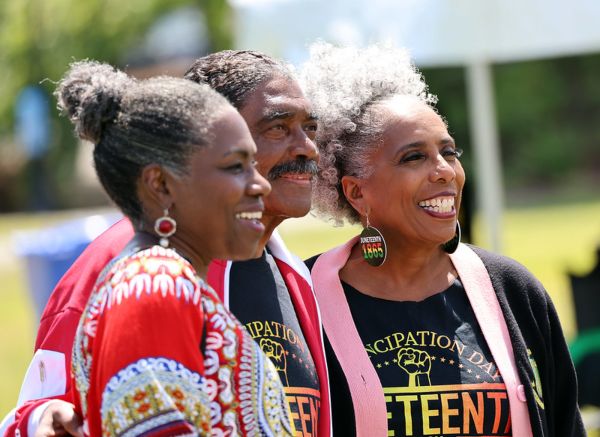
African American
- Visit Seattle’s African American cultural guide
Learn about the region’s African American heritage dating to the territorial era, the Arts and Cultural District that celebrates and preserves community heritage through the work of Black businesses, arts and festivals, cultural groups, and local events and museums. - Traveling While Black
This travel blogging couple based in Seattle reviews Washington destinations and provides fun and honest ratings on their experiences, including ease of arrival, ‘fun-o-meter’ and comfort meter for Black travelers. They are a great resource for more inclusive destinations. - Northwest African American Museum
The Northwest African American Museum is in the heart of Seattle’s Central District and is an antiracist, pro-equity, affirming gathering place that is building intergenerational cultural wealth, through ongoing exhibits, events and educational programs. - Central District Neighborhood Travel Guide
The historically Black neighborhood and business hub offers an eclectic mix of independently- owned cafes, restaurants, and shops, and vibrant cultural events and street art. Learn about the Black cultural heritage and immerse yourself in the history, food, culture, and shops in the Central District. - Black Heritage Society of Washington State
Preserving, collecting and sharing the history of African Americans in Washington State. Founded in 1977 the organization continues to provide educational events, exhibits, and resources to promote public awareness of African American history and culture. The Society recognizes the importance for documenting the culture and heritage of Black people state-wide, and advocates for saving places to uphold the notion that Washington State history is an essential link in the broader narrative that defines the story of our nation. - Golden Bricks Events
Golden Brick’s outdoor-focused experiences for Black, Indigenous, and People of Color diversify the faces of the outdoors and conservation. Inspired by the desire to have spaces where people of color could connect with nature, this BIPOC-centered event production company runs outdoor-focused events like the Refuge Outdoor Festival where the BIPOC community can take “refuge” in the majesty of the great outdoors. - Outdoor Afro
Outdoor Afro is a national nonprofit organization with local chapters that celebrates and inspires Black connections and leadership in nature. The network also connects Black people with lands, water, and wildlife through outdoor education, recreation, and conservation. Examples of Outdoor Afro’s year round activities range from fishing, hiking, biking, kayaking, gardening, skiing, etc.
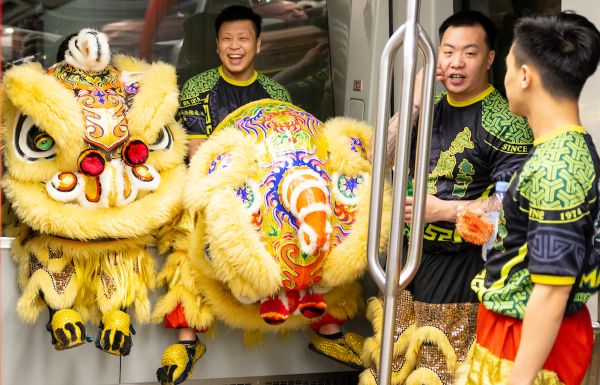
Asian and Pacific American
- Visit Seattle’s Asian and Pacific American cultural guide
This guide provides historical information, festivals, and museums and arts organizations to inform your visit. - Chinatown-International District
Covers neighborhoods, museums and culture, and events like food walks and Lunar New Year celebrations. - Wing Luke Museum
Art and history Smithsonian-Affiliate Museum (the only pan Asian-Pacific American community-based museum in the US) focuses on the culture, art and history of Asian Americans, Native Hawaiians, and Pacific Islanders. - Outdoor Asians
The mission of this organization is to create a diverse and inclusive community of Asian and Pacific Islanders in the outdoors.
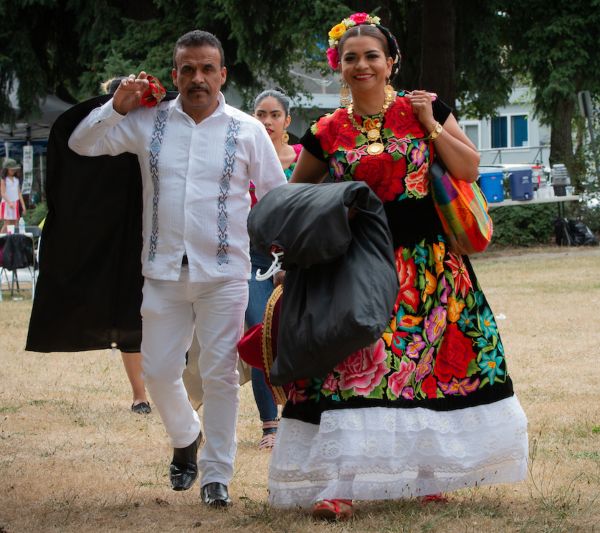
Latino
- Visit Seattle’s Latino cultural guide
According to the 2010 census, more than 10% of Washington’s population are persons of Hispanic or Latino origin, the largest minority group in the state. This guide provides cultural history, community recommendations and celebrations, and arts organizations. - Sea Mar Museum of Chicano/a/Latino/a Culture
The first of its kind in the Pacific Northwest, the Sea Mar Museum of Chicano/a/Latino/a Culture showcases the history of Chicano/as and Latino/as from post war immigration to present time. From its home in Boulevard Park, the museum focuses on themes like cxs315 on migrant farmworkers and the Civil Rights Movement from the 1950s to the 1970s. - Latinos Outdoors
With chapters in Seattle and Yakima, the mission is to inspire, connect and engage Latino communities in the outdoors. Programs include the Vamos Outdoors group outings, Yo Cuento Outdoors storytelling and communications program, and Crecemos Outdoors leadership training.
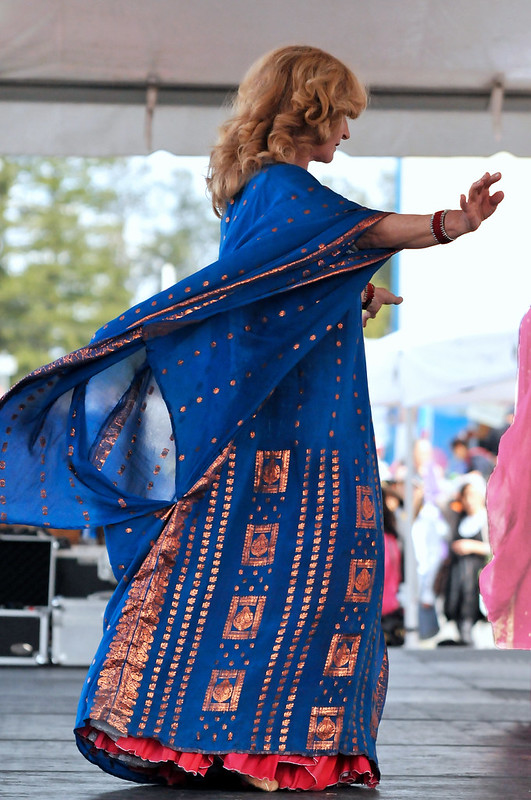
Middle Eastern and Arab
- Seattle Arab Festival
This festival celebrates Arab culture, showcasing their vibrant traditions and heritage. The festival takes place in July as part of the Seattle Center's Festal program and features a bustling marketplace with diverse vendors, captivating performances, delicious food, handcrafts, and informative cultural booths. - Arabish Way events
This blog features tools of discovery for global kids, including educational and cultural events in the Arab community.
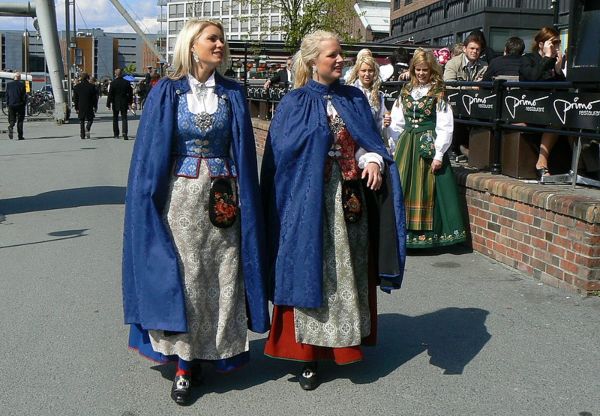
Nordic
- Visit Seattle’s Nordic cultural guide
By 1910, Scandinavians were the largest ethnic group in Washington State, comprising over 30 percent of the foreign-born population. This guide outlines the history, communities and events, and cultural resources. - National Nordic Museum
The National Nordic Museum shares Nordic culture, values, and ideas with people of all ages and backgrounds to create connections, generate dialogue, and inspire new perspectives from the earliest anthropological records through contemporary Nordic society.
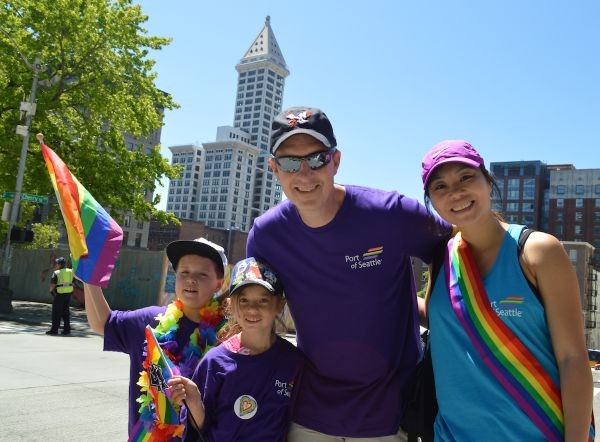
LGBTQIA+
Washington is known for being LGBTQIA+ friendly, with active communities, events, businesses, festivals and more, promoting pride and inclusivity.
- Visit Seattle’s Top 10 LGBTQIA+ Top 10 Hotspots and Resources
Includes Pride festivities, nightlife and neighborhood recommendations, and LGBTQIA+ resources and organizations. - Travel Out Directory
Established in 1981, the Greater Seattle Business Association (GSBA) is Washington State’s LGBTQ+ and allied chamber of commerce and is the largest of its kind in North America. They produce the Travel Out guide for LGBTQ+ travel in Washington to highlight LGBTQ+ travel businesses, experiences and more.
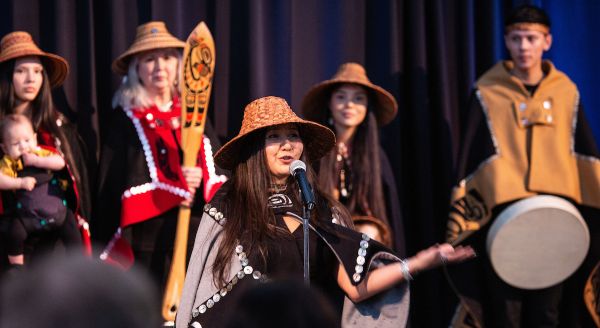
Indigenous people
- Visit Seattle Native American Cultural pages
Resources on indigenous artists and artwork, festivals, and a map of tribal cultural sites and facilities you can visit. - Map of tribes
The State of Washington has 29 federally recognized Tribes and Nations (with several others not federally recognized), with over 140,000 citizens and each with their own cultures, governments and enterprises employing more than 37,000 people (or 1 in 86 jobs). - State of Washington Tourism Indigenous experiences
The State of Washington Tourism website provides a great overview of Indigenous experiences, cultural centers, museums and events around the state that can be visited that are owned and operated by the Tribes and showcase both heritage and current cultures, enabling visitors to support Indigenous-led tourism initiatives and learn about the land on which they are guests. - The Burke Museum
The Burke Museum cares for and shares natural and cultural collections so all people can learn, be inspired, generate knowledge, feel joy, and heal. Its working labs located on the University of Washington campus in Seattle focus on dinosaurs, fossils, Northwest Native art, plant and animal collections, and cultural pieces from across the globe. Its exhibits are guided by their Native American Advisory Board. - Snoqualmie Tribe Ancestral Lands Movement
The Snoqualmie Tribe seeks to spread awareness of the Snoqualmie people who have lived in the southern Salish Sea region since time immemorial and share the significance of these lands and provide information on how people can help the Tribe in respecting, restoring, and protecting these lands. Launched in 2021 in response to the increased impacts of recreation on their ancestral lands which includes the well-known sacred Snoqualmie Falls, the Snoqualmie Tribe Ancestral Lands Movement shares regular information via blogs, social media and their website. Tips on how to Recreate Respectfully are provided by the Tribe, along with downloadable resources like an overview of Snoqualmie history, current information about the Tribe, and impacts of recreation activities to lands, and wildlife.
Learn more in the Responsible Travel Handbook
Photo credits:
- Bunad/Norwegian photo: Sigmund, CC BY 2.0, via Wikimedia Commons, no changes
- Middle eastern dancer
- Juneteenth photo, Washington State Archives, public domain