June 8, 2026
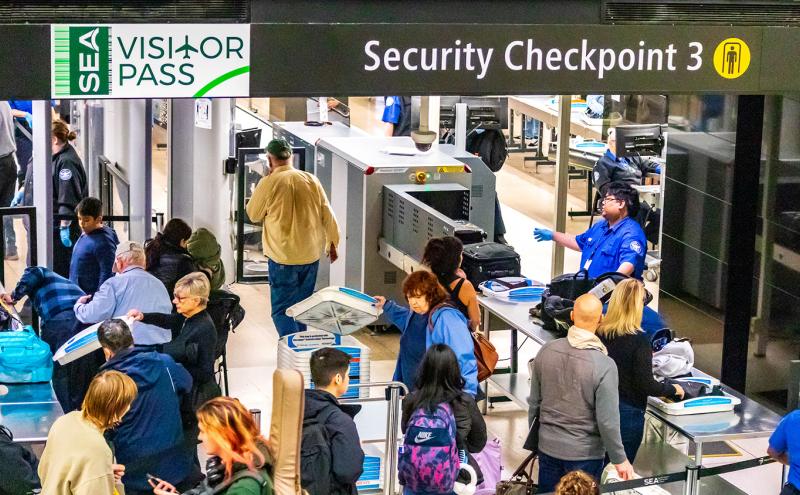
Imagine a traveler who is Deaf or hard of hearing trying to rebook a canceled flight while lines build up behind them, announcements echo through the terminal, and people rush by in every direction. Navigating a busy, unfamiliar airport can be stressful for anyone, especially if communication is a challenge. In moments like these, immediate access to a qualified American Sign Language (ASL) interpreter can make all the difference.
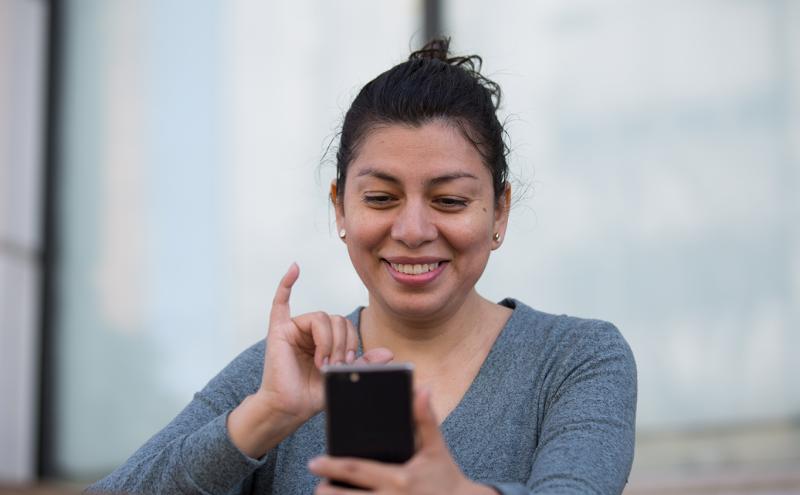
To help meet these urgent communication needs, Seattle-Tacoma International Airport (SEA) now offers Mobile Video Remote Interpreting (VRI). The free service allows travelers who are Deaf and hard of hearing to connect to a live ASL interpreter using their own smartphone or mobile device. Having access to this service can help turn a stressful and isolating moment into one where the traveler can fully understand what’s happening, ask questions in real time, and make informed decisions for themselves.
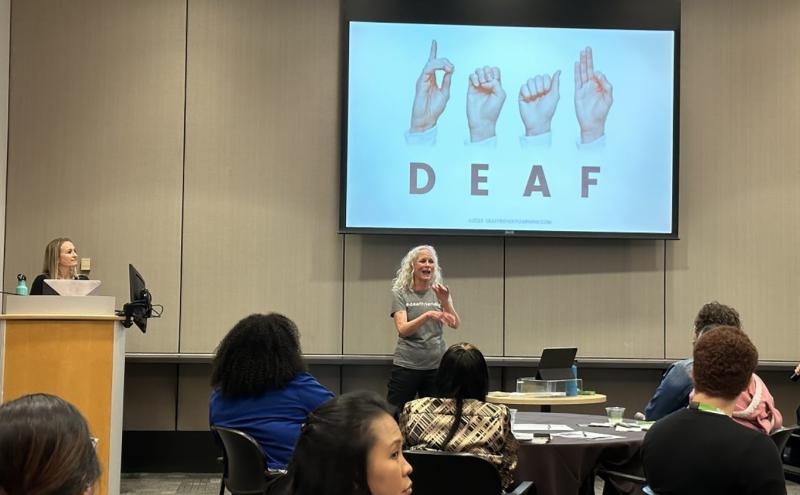
This new service was introduced after an accessibility assessment conducted by deaffriendly Consulting identified ways to better support travelers who are Deaf and hard of hearing throughout the airport.
What is Mobile Video Remote Interpreting (VRI)?
Mobile Video Remote Interpreting (VRI) connects users at SEA to professional ASL interpreters 24/7 and is provided by Communication Service for the Deaf (CSD) through any web browser — no app download required.
Mobile VRI is designed to help address situations in airports where immediate communication access becomes critical, especially during delays, rebooking issues, emergencies, or other fast-moving interactions.
It allows travelers who are Deaf to communicate with an interpreter through a cell phone camera and allows more control over their own travel experience instead of depending on speechreading, written notes back and forth, guessing, or having other people take over the conversation for them.
Why Mobile VRI matters
“Communication access in airports cannot always wait. Flights change, emergencies happen, and customer service lines move quickly. Mobile VRI gives staff an immediate tool to communicate more clearly and help signing Deaf and hard of hearing travelers faster in high-stress situations,” said Melissa Echo Greenlee, Founder and CEO of deaffriendly Consulting.
She added that one of the biggest advantages of the service is mobility. “Deaf signing travelers can often use VRI directly from their own phones or devices instead of relying on special equipment that may not always be nearby, charged, or easy for airports to maintain across large terminals,” Greenlee said.
She added that the service also helps airport employees feel more confident.
“Most staff genuinely want to help, but without experience interacting with Deaf signing travelers and the necessary communication tools, those interactions can become stressful for everyone. Mobile VRI creates a faster, more direct way for both staff and travelers to communicate in real time,” Greenlee said.
Most importantly, Mobile VRI empowers travelers who are Deaf and hard of hearing to ask questions themselves, receive updates directly, and navigate the airport more independently.
“Mobile VRI is one example of how airports can provide more flexible communication access while showing travelers that inclusion is being built into the airport experience from beginning to end,” Greenlee said.
How to connect to Mobile VRI at SEA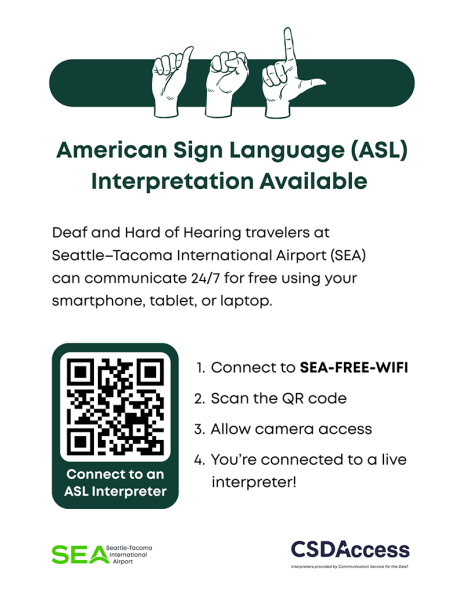
- Arrive at SEA Airport.
- Connect to the airport’s free Wi-Fi network: SEA-FREE-WIFI.
- Enable location services on your device.
- Access the Mobile VRI service by scanning a QR code posted throughout the airport, using the FlySEA app, or via the SEA Mobile VRI access link
- Secure web-based video sessions start immediately
Need a device or additional assistance?
Travelers who do not have a mobile device or who would like help accessing the service can visit any SEA Information Desk, staffed by the airport’s Pathfinder team in bright green uniforms. Staff can help connect travelers with a live ASL interpreter.
Information Desks are open daily from 7 a.m. to 9 p.m. and are located:
- Pre-security: Ticketing level, between security checkpoints 4 and 5
- Post-security: A Concourse, between gates A5 and A6
- Find additional accessibility information and directions.
Get step-by-step directions to the Information Desks by using the interactive map.
Training staff to better serve travelers
The accessibility assessment also found that many meaningful improvements do not require expensive technology. Simple practices like gaining a traveler’s attention appropriately, facing the person while speaking, using visual communication strategies, or understanding when to offer communication tools can make a huge difference in the traveler experience.
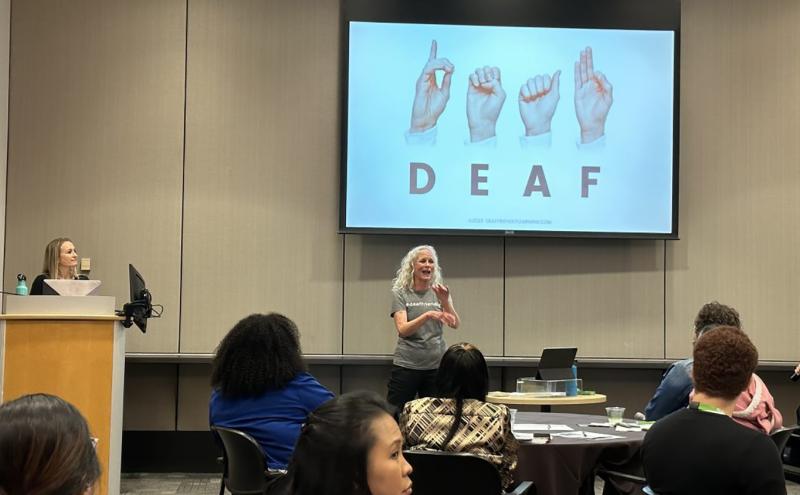
To support these efforts, deaffriendly Consulting has provided ongoing Deaf-Friendly Customer Service training to hundreds of SEA employees and volunteers. These sessions give staff the opportunity to learn directly from people who are Deaf and hard of hearing, better understand communication needs, and build confidence for real-world interactions.
Combined with visual communication tools and accessible service information, these trainings help create a more inclusive airport experience for everyone.
Additional accessibility resources at SEA
SEA offers several tools and services to support travelers who are Deaf and hard of hearing.
Auditory assistance
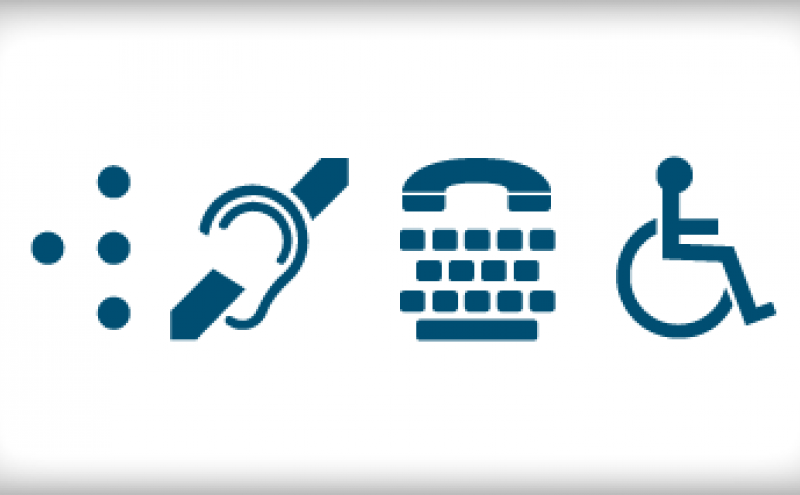
Portable induction loops are available at SEA Information Desks to amplify sound for travelers with T-coil hearing aids.
Communication cards
Communication cards help travelers who are Deaf, hard of hearing, neurodiverse, nonverbal, or speak another language communicate more easily with airport staff, especially during security and customs screening. It is also a way to support travelers when technology isn’t an option.
Learn more:
Bridging Communication Gaps at SEA
Download the cards:
Communication Cards (PDF)
Sunflower lanyards
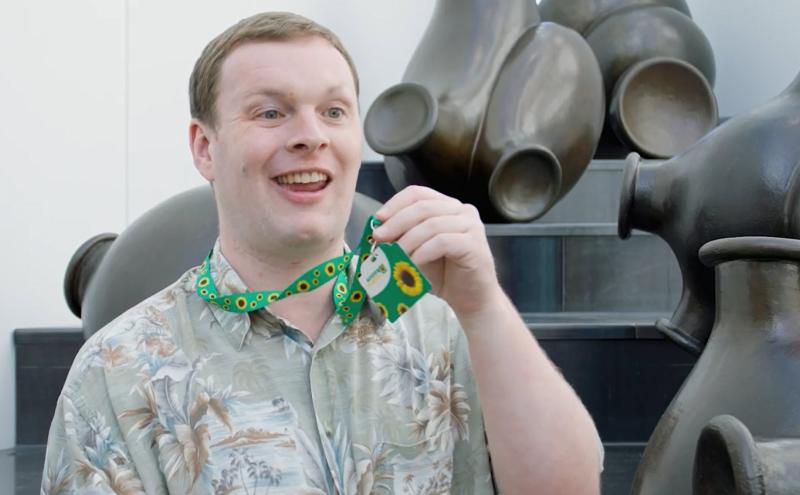
SEA Airport was the first in the U.S. to offer Sunflower Lanyards for travelers with disabilities that are not visible such as autism, PTSD, or hearing loss. First pioneered at Gatwick International Airport in London, the Sunflower Lanyard communicates to staff and other travelers that extra patience, flexibility, or assistance may be needed.
The lanyards are optional and offered free at the Information Desks and needs for assistance can be listed on the lanyard’s tag.
FlySEA app
Use the FlySEA app to locate the fastest TSA security checkpoint line, accessible routes through the terminal, or the best place to grab a bite.
Looking ahead
The Port of Seattle continues to expand accessibility across its facilities and digital platforms. As part of this effort, the Port Commission adopted a Language Access Policy designed to remove barriers and ensure all audiences can access critical Port information, regardless of language or accessibility needs. American Sign Language is included as a key component of this effort.
By investing in services like Mobile Video Remote Interpreting, customer service training, and accessible communication tools, SEA is helping ensure every traveler feels understood, supported, and welcome.
Learn more about the SEA Access program:
SEA Accessibility Resources
Subscribe to Fly SEA for news and travel tips from SEA Airport
*Top photo credit: CSD