April 1, 2026
There is much to love about living in the Pacific Northwest – particularly the beautiful and diverse natural environment, habitat, and wildlife in our backyard. The Port takes this responsibility seriously, taking steps each day to meet our goal to be the greenest seaport and airport in North America. But we can’t do it alone. On Earth Day and every day , it’s all of our responsibility to protect our environment.
The theme of Earth Day 2026 is “Our Power. Our Planet.” Environmental progress isn’t driven by a single administration or election. It’s sustained by daily actions of communities, educators, workers, and families protecting where they live and work.
In the spirit of that theme, here are some simple things you can do at home to make a difference in your community and beyond.
Plant a tree
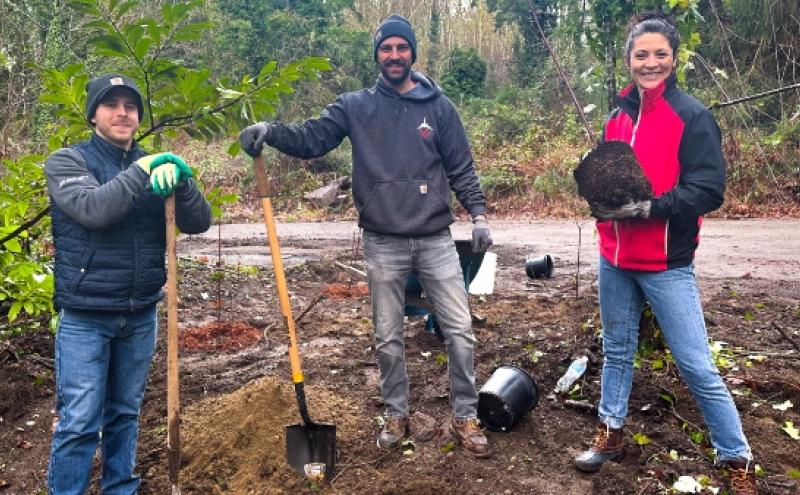
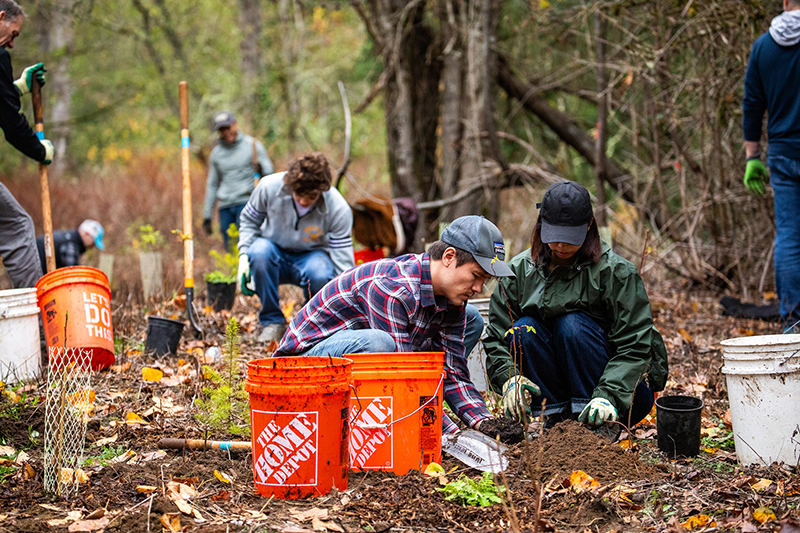
Trees provide important environmental and community benefits, including cleaner air, better stormwater management, healthy wildlife habitat, and cool urban spaces. Help combat climate change by planting a tree in your back yard or support local tree planting efforts. Looking to get involved? The Port of Seattle holds community planting events twice a year on Port properties, bringing together staff, partners and community members to plant native trees and shrubs to restore urban forests.
These events are part of the Port's broader efforts to improve the environment and support local communities.
The Port and partners completed the following planting work in 2025:
- 6,800+ trees and shrubs planted, including 1,024 trees planted by South King and Port Communities Fund partners
- Removed 16 acres of invasive species
- Restored half an acre of native forest canopy and understory
Subscribe to Evergreen for future planting events
Use organic gardening and landscaping techniques
Did you know the Port of Seattle Landscape maintenance team takes a 100% organic, non-toxic approach to landscaping at all Port parks (including five parks and 10 public shoreline access sites)?
Here are a few tips from Port staff you can use at home to save the salmon and our local environment:
- Plant a mix of low maintenance, drought tolerant, disease resistant, and native plant materials
- Use only 100% organic fertilizers and supplements like bone meal, blood meal, kelp meal, and cow and chicken manure
- Water less frequently, but for longer periods of time
Find more organic landscaping tips from the Port
Create a buzz in your yard
Public and private pesticide-free pollinator corridors feature plants that feed and shelter pollinating insects and birds. Even small green spaces like flower boxes and curb strips can be part of a corridor. The Port’s Parks and Landscape Department planted its first pollinator garden in 2022 in Centennial Park. It’s a 1000-square-foot space next to the Rose Garden midway through the park.
To develop a pollinator garden, the Port’s Park and Landscape Department recommends choosing plants that will diversify the habitat and benefit butterflies, bees, and hummingbirds. Focus on plants that attract pollinators for the longest season possible.
- Get tips to grow your own pollinator garden
- Learn how the Port creates pollinator gardens
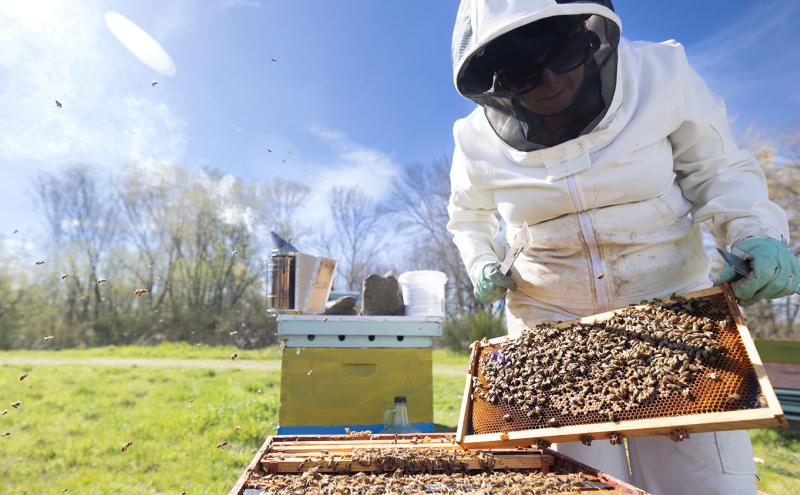
- Read about Port efforts to raise honeybees and turn unused green spaces near SEA into pollinator habitat
Visit a Port park
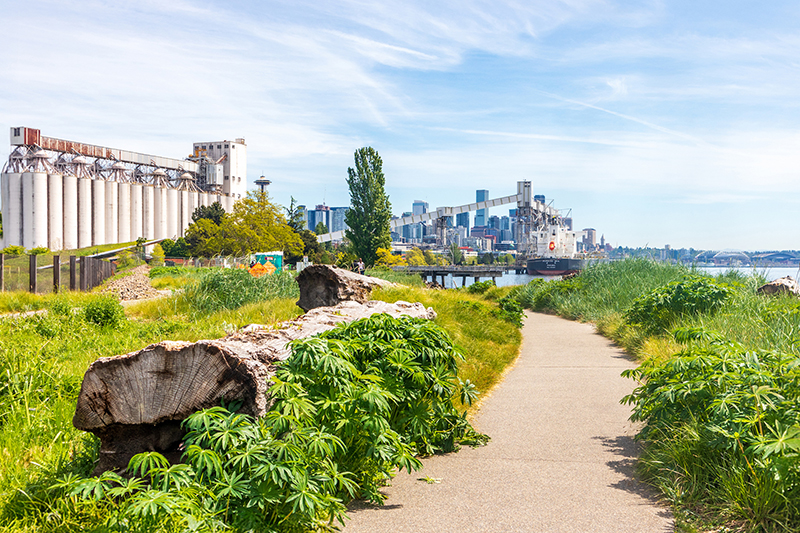
Celebrate the earth by spending time outdoors. Did you know the Port of Seattle offers more than 44 acres of parks and public access sites with scenic trails, picnic areas, habitat restoration areas, fishing piers, and shoreline access along the Lower Duwamish Waterway and the Elliott Bay Waterfront? Enjoy a picnic or get moving — walk, bike, kayak, or paddleboard.
Conserve and filter water
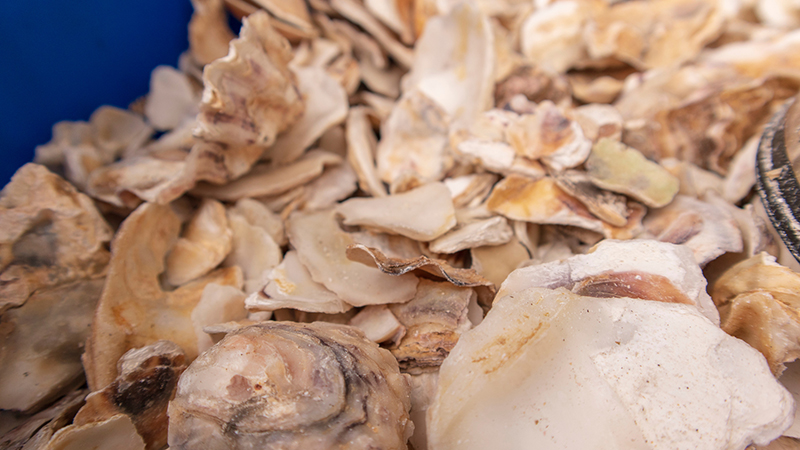
Oysters are much more than a tasty treat — they are champions of protecting the environment. Oyster shells are master filter feeders that can pull heavy metals like zinc and copper out of the water.
Oyster barrel filters were pioneered by the Port team. They installed 30-gallon plastic barrels containing oyster shells at Terminal 102 under roof downspouts to treat runoff before it’s discharged into the stormwater system. This terminal is near the West Seattle Bridge, a major thoroughfare that contributes to aerial deposition of roadway pollution onto roofs.
After these barrels were installed, the oyster shells and the water output were measured for copper, zinc, and turbidity. The oyster shell barrels:
- Improved turbidity on average 57%
- Reduced zinc on average 40%
- Reduced copper on average 27%
Learn how to make your own oyster barrel filter
Read how oysters help protect the environment
Report whale sightings
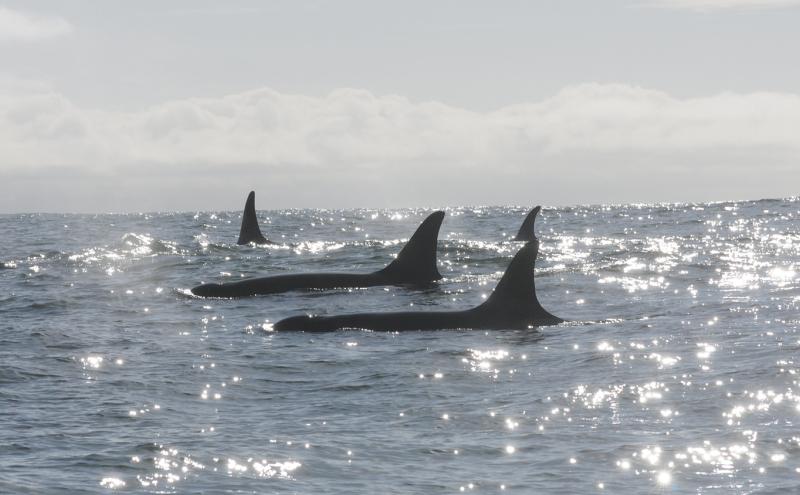
Love whale watching? Now you can help protect whales from vessel collisions by sharing sightings with nearby boats. Mariners can sign up to receive text alerts if they are within 10 nautical miles of a verified whale sighting in order to avoid collisions.
The initiative is part of Quiet Sound Program efforts to reduce underwater noise and protect Southern Resident killer whales. Learn how else to protect orcas.
Use less energy
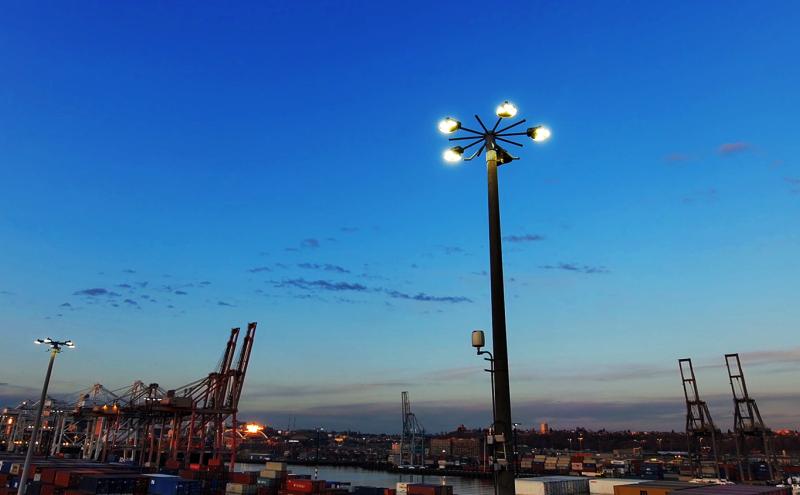
The Port of Seattle’s Maritime Environmental and Sustainability team conducts energy assessments to evaluate energy usage at its seaport properties. Energy assessments are an important step towards achieving the Port’s greenhouse gas (GHG) reduction goals by reducing emissions from building and property energy usage.
At home, improving energy efficiency saves money and reduces environmental impact. You can achieve similar benefits by conducting your own at-home energy assessment.
Learn how to conduct an energy assessment and save energy.
Want more ideas? Find 50 easy ways to help the planet every day
Subscribe to Evergreen for environmental updates from the Port of Seattle and SEA Airport