August 10, 2026
Centennial Park has reopened along Seattle’s waterfront, and along with it comes the opening of haʔłali — “The Good Place” — a new public amenities building and park pavilion that honors the Coast Salish people and the enduring relationship between people, water, and the land.
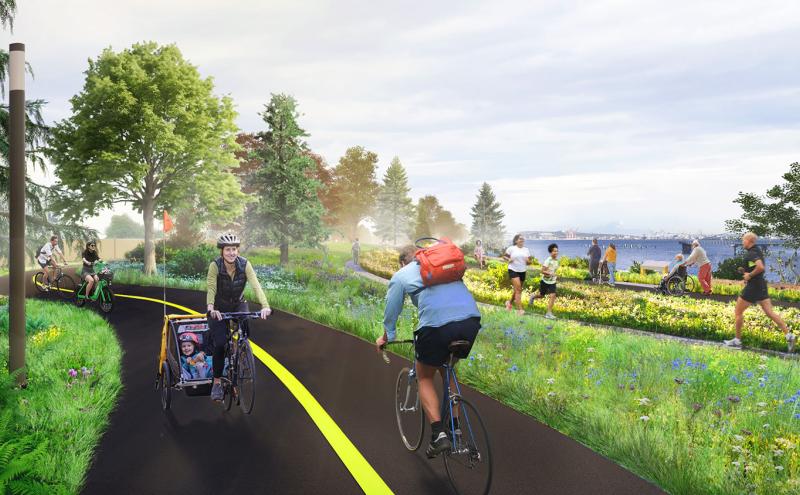
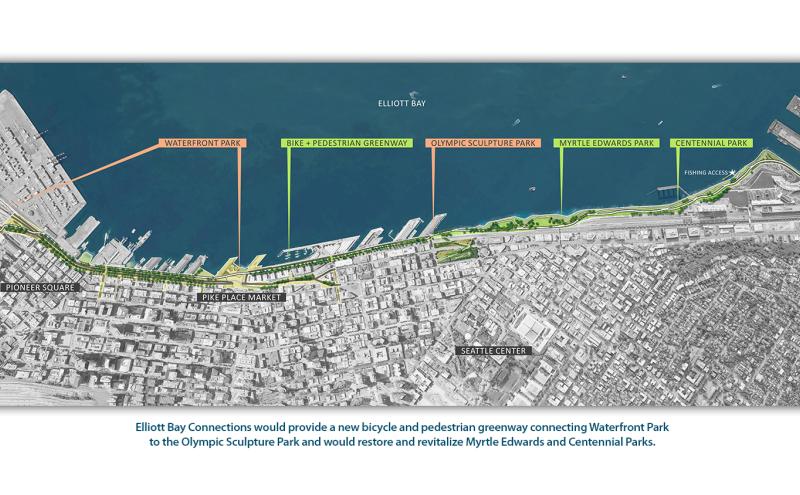
Located along the Seattle waterfront, the structure forms part of Elliott Bay Connections, a two-mile revitalization extending on the shoreline from downtown to Expedia. The project is privately funded by Melinda Gates, Expedia, and other donors, and provides restored parks, public facilities, and an Indigenous gathering space along bike and walking paths. With the reopening of Centennial (Port of Seattle) and Myrtle Edwards (City of Seattle) parks, visitors can explore more than 50 acres of connected parks and green spaces extending three and a half miles from Pioneer Square to Smith Cove.
The result is a seamless waterfront experience that strengthens people’s connection to nature while paying tribute to the Coast Salish Tribes that first inhabited the area. Formline Architecture + Urbanism, an Indigenous-owned firm based in Vancouver, B.C. designed the building and gathering space and Walker Macy served as landscape architect. Collaboration with the Suquamish, Muckleshoot, Stillaguamish, and Tulalip Tribes and input by Indigenous advisors was critical in creating a space that reflects Coast Salish history, cultural practices, and connects people to natural surroundings.
Alfred Waugh, Founder of Formline Architecture (Status Indian in Canada) wanted to create a space to honor the Coast Salish people as the first people. “We brought in Indigenous ways as a guiding expression for the building. I wanted to create a place that makes people aware of our connection to nature, where everything in the natural world has the same value as us. Nature is placed at the center of our value system rather than humans,” he said.
Read more about the features of the park and facilities that honor the Coast Salish people and help connect people to the natural world.
“The Good Place” (haʔłali)
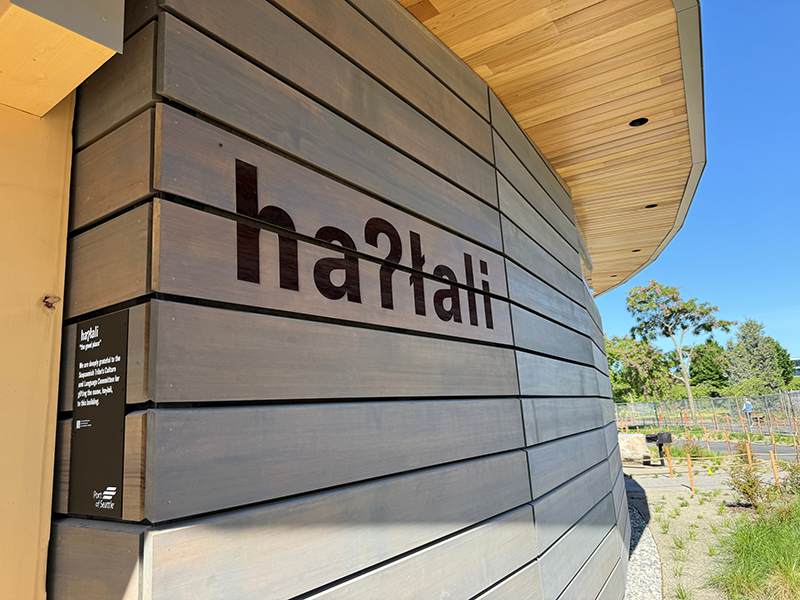
The new amenities building is named haʔłali in Lushootseed, which closely translates to “The Good Place.” It was named by the Suquamish Cultural Resources Department and approved by the Tribe to reflect the expansive views of water, land, and mountains that Coast Salish people have long called home.
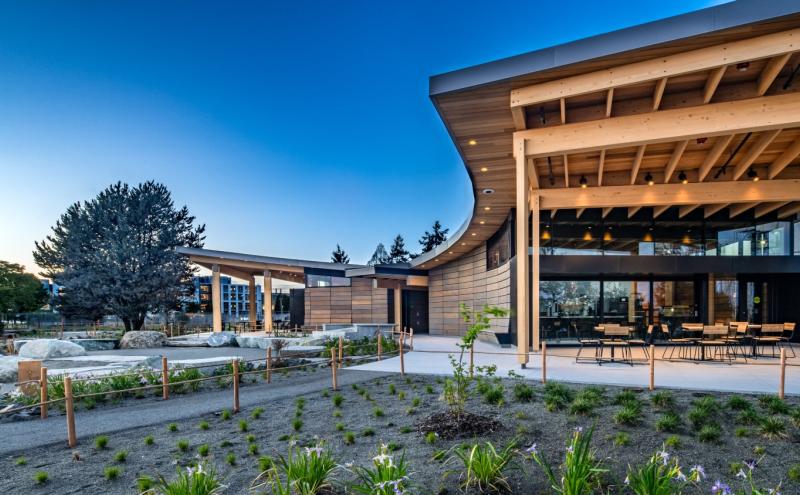
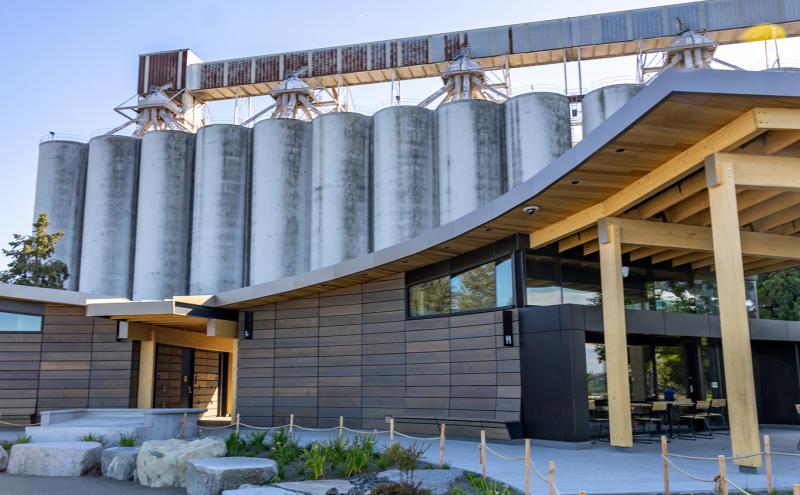
Walking and cycling paths converge at haʔłali, where exposed mass timber structure, western red cedar cladding, and a sweeping roofline create a dramatic welcome. Visitors can enjoy restrooms, covered seating, and a gathering space, and is home to Scandinavian-inspired all-day café and bar Café Hagen.
Coast Salish longhouse inspiration
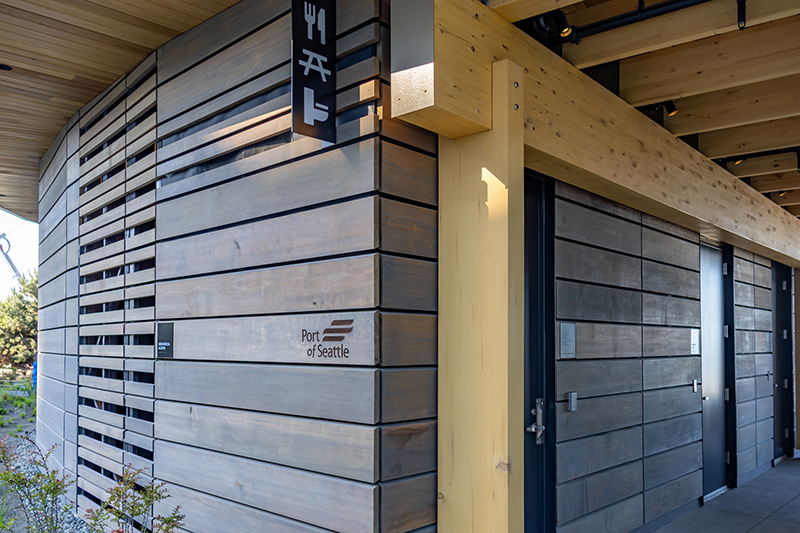
The building’s form is inspired by the Coast Salish longhouse, a culturally significant structure traditionally used as a Tribal gathering space. The contemporary design reinterprets traditional post-and-beam construction using high quality yellow cedar for the structure and western cedar for the cladding, sacred to the Salish culture.
Clerestory windows (placed just below the ceiling) bring soft, natural light to the space. A cedar tongue and groove roof deck shelters both the enclosed space and the outdoor picnic and concession areas.
Connection to the sea
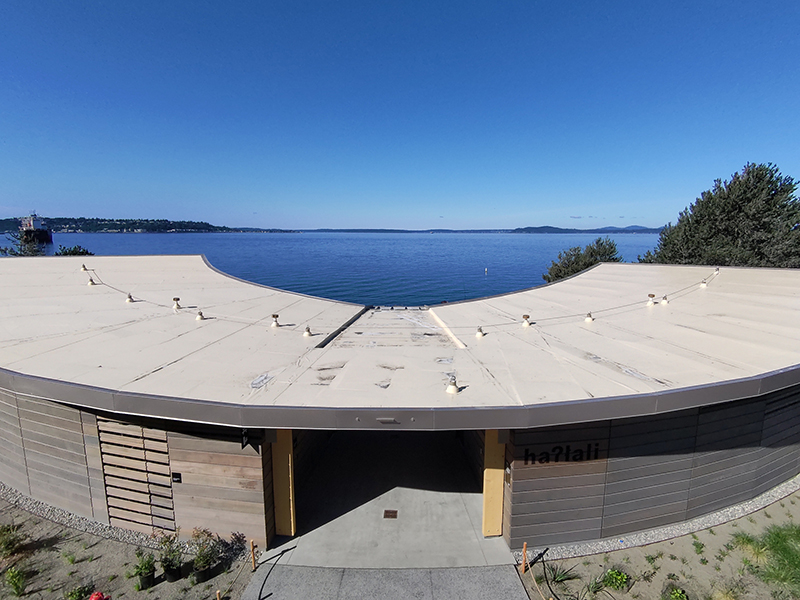
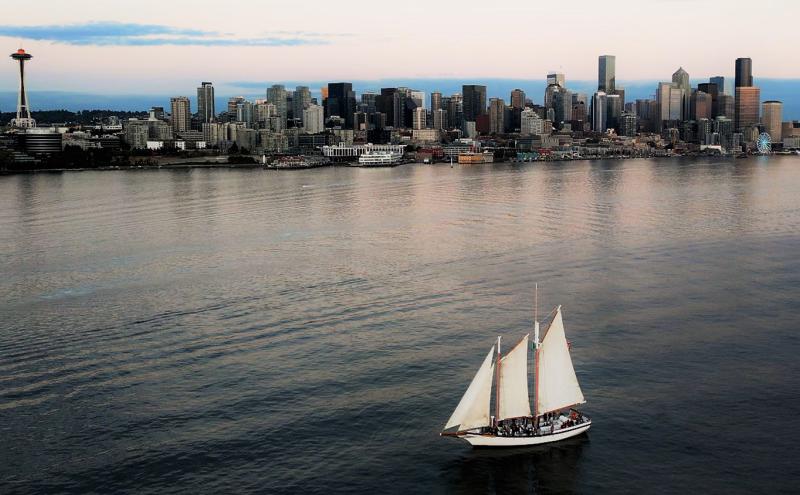
ha?tali’s location at the edge of Elliott Bay with sweeping views of the water and the Olympic Mountains reinforce the Coast Salish connection to the sea. A central timber-lined passage through the pavilion frames a view of the water, drawing visitors through the structure and linking building, shoreline, and landscape.
The roof arcs gently toward the water in a gesture of welcoming, reflecting the sense of interconnection and gratitude for what the ocean provides. The roof also creates a broad canopy for an outdoor gathering space facing the sea, featuring a ceremonial fireplace and terraced seating. This outdoor space can accommodate a variety of gatherings, ceremonies, and other cultural or community events.
When it rains, water is gathered at the roof’s center and guided through a scupper into a cascading fountain onto the plaza, celebrating water and the rainforest climate of the Puget Sound.
“13 Moons” installation
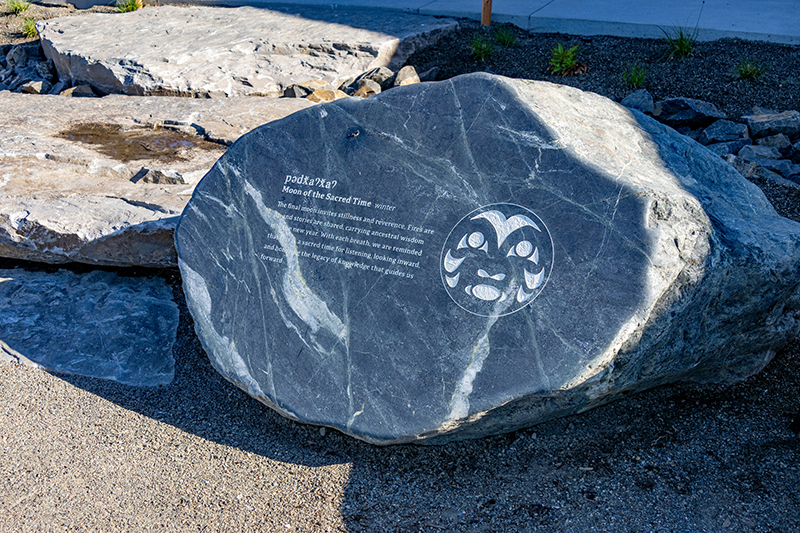
A major feature of the surrounding landscape is the “13 Moons” installation, designed and created by Indigenous foodways and food sovereignty leader Valarie Segrest, member of the Muckleshoot Indian Tribe.
Thirteen oversized carved stones are sprinkled throughout the park, paying tribute to traditional and cultural events on the Coast Salish lunar calendar. Each rock represents a moon and offers an overview of each moon: “Windy Time,” “When the Frog Talks,” “Whistling Robins,” “Digging Time,” “Salmonberry,” “Blackberry,” “Salal Berry,” “Silver Salmon,” “Elk Mating Cry,” “Falling Leaves,” “Dog Salmon,” “Put Your Paddles Away,” and “Sacred Time.”
The plant and animal focus for each moon highlights integral first foods of the Coast Salish culture that are present in many Coast Salish stories, traditions, and community meals. The installation recognizes that humans are a component within the food web and are affected by plants and animals within the ecosystem that we should all work to protect.
Indigenous plants and landscape
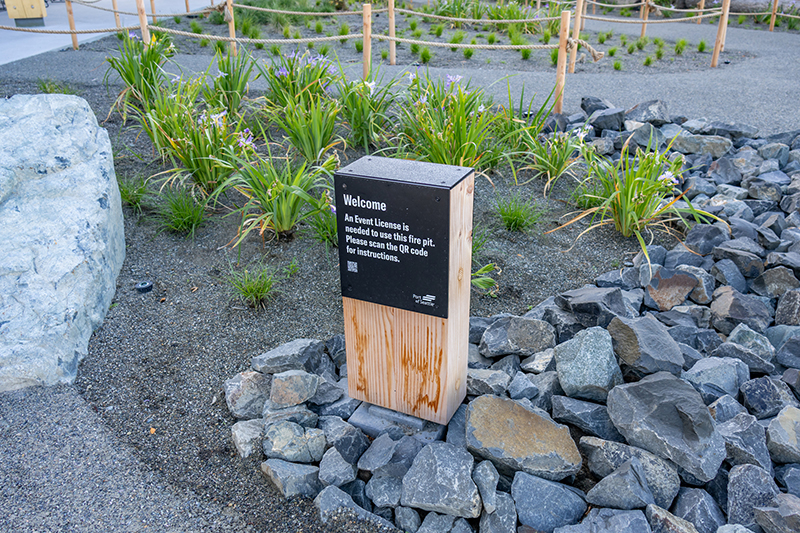
Nestled beneath existing trees, ha?tali is surrounded by a native meadow featuring Indigenous plants significant to Coast Salish people and grown by specialized nurseries. The landscaping was designed with guidance from Waugh, Segrest, and Colleen Echohawk (enrolled member of the Kithehaki Band of the Pawnee Nation and Upper Athabascan), and creates a rich learning opportunity for visitors to learn about Indigenous plants.
“(This landscaping) helps reconnect us to what Seattle was before advent of settlement; it’s a chance to learn about species native to the area and what species were used by various Tribes for medicinal purposes,” Waugh said.
Café Hagen extends into this landscape through a sheltered outdoor terrace overlooking the waterfront. Framed by the exposed timber structure and surrounded by native plants, the space encourages visitors to linger, gather, and engage with the landscape. The seamless transition between indoor and outdoor environments helps create a public destination where food, community, and connection to place come together.
Subscribe to Pier to Pier for cruise and waterfront updates.