March 12, 2026
Original post written in 2019; updated March 2026
You’ve just landed at Seattle-Tacoma International Airport (SEA) after flying for what may feel like an eternity. Your plane begins to taxi from the runway to the terminal, and you’re ready to stretch your legs and be on your way. Then, after taxiing past the runways, your plane stops and the captain comes over the speaker saying it’s going to be a few minutes until the plane can get to its gate.
You’re ready to get off the plane. What is going on?
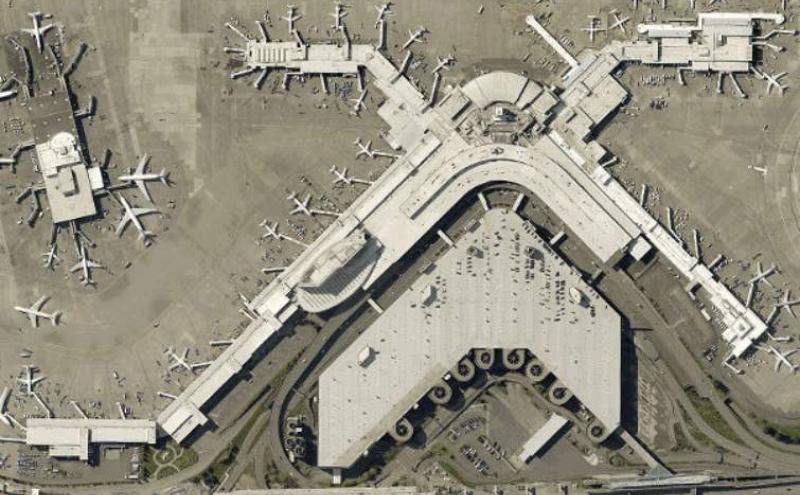
This can happen at any airport for several reasons, especially at a fast-growing one like SEA with such a small footprint.
Airlines create their schedules with optimistic operating scenarios in mind — good weather, full staffing, no mechanical delays — and since airports cannot regulate the timing or number of planes scheduled, everybody works to support the most harmonious and safe daily operation.
Here are the top four reasons it can take longer than expected to taxi to your gate after landing.
1. There is a plane at your gate
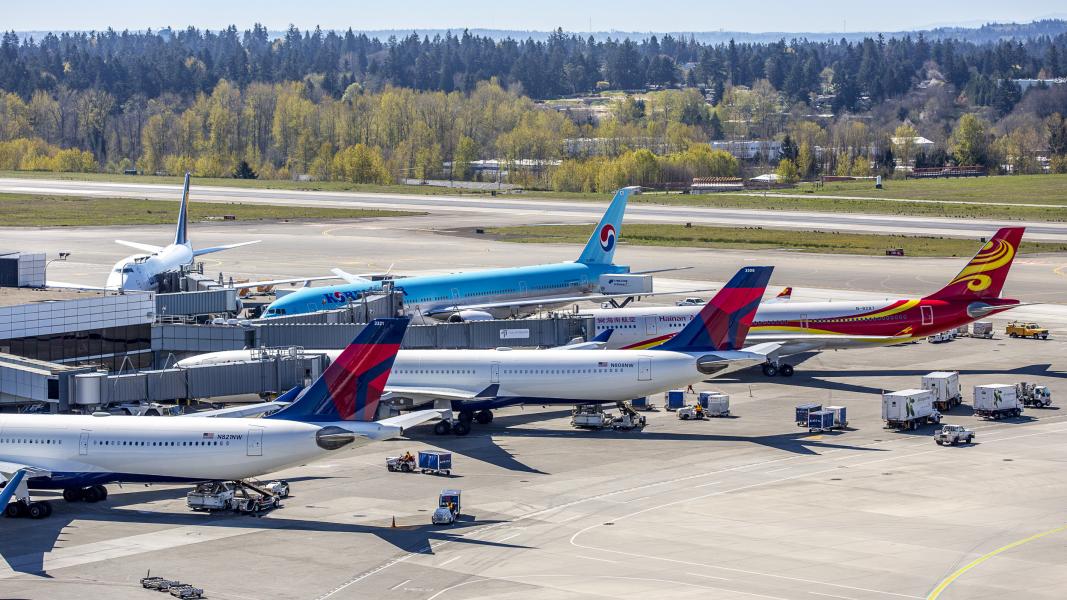
SEA is the 11th busiest airport in the country, so most gates have little downtime. Every year, each airline is annually assigned a number of leased gates based on their passenger traffic. Your airline plans how it will use its gates at the airport in advance according to their schedule. Of course, the unexpected can happen, such as bad weather, staffing shortages, mechanical delays, or late push backs from the gate. Airlines decide how to manage the rotation of their aircraft at all their gates in all these situations. Sometimes the decisions can be difficult and result in delays.
Why can’t my plane just use another gate, you may ask? The majority of gates are already spoken for by other airlines. Common use gates (available for use by multiple airlines) may be available depending on the time of day. However, common use gates are typically further away from an airline’s leased gates which means they’d have to move ground crew, gate staff, and equipment to service the flight. Airlines typically prefer to arrive at one of their leased gates where they have staff.
During peak periods, gate management becomes even more challenging. For example, between 8 and 10 p.m. is a rush hour period across the airport with many flights arriving. This is compounded by the fact that many gates become occupied with planes that rest overnight for operation first thing in the morning (called RON – Remain Over Night). So, finding an open gate alternative becomes complicated.
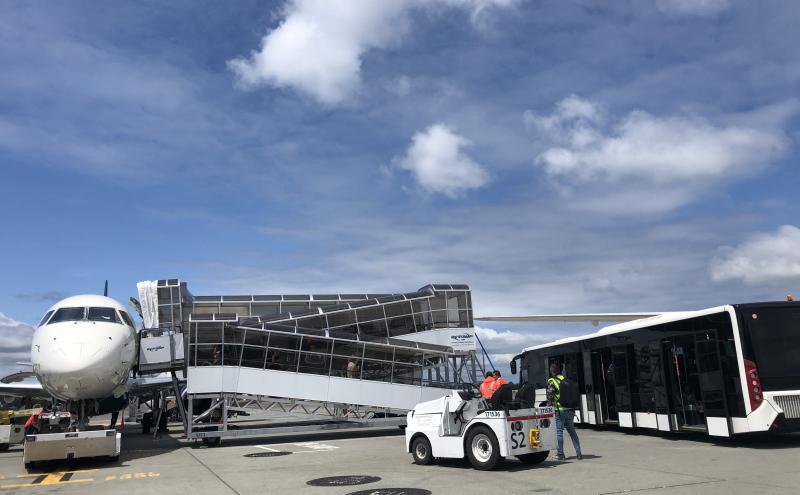
SEA uses bus boarding as one way to get you on and on and off your plane faster during peak times when gate space is at a premium. Learn how it works
2. There is no ground crew or staff available
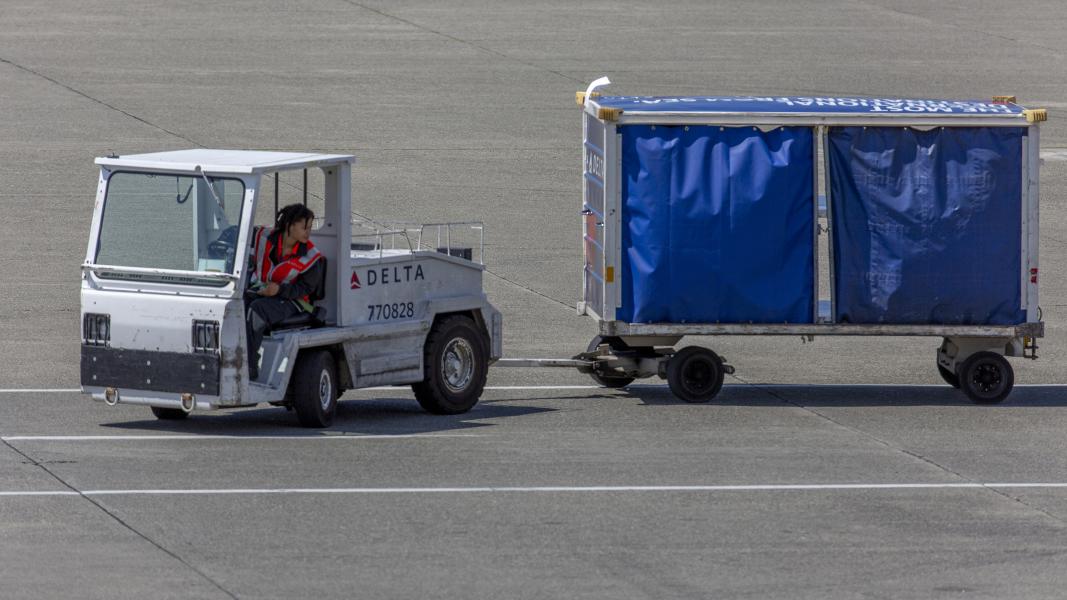
To bring a plane into the gate, your airline needs several positions filled: three people with the orange sticks to marshal the plane in, ground crew for baggage handling and other operations, a person to move the jet bridge into place, and a customer service representative or two to meet your flight in the terminal. Sometimes, airline staff scheduled for your flight’s arrival can be momentarily tied up with another plane or on the way to your gate area. Rest assured that your airline knows you’re coming in and is moving as quickly as they can to get you off the plane.
3. A game of airport Tetris is unfolding
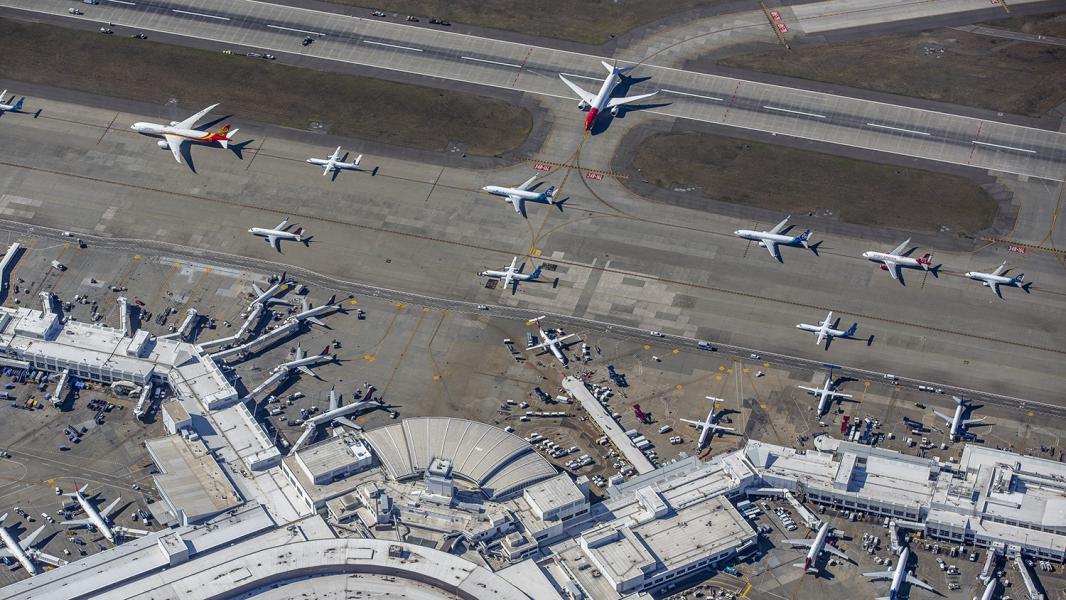
As the greater Seattle and Puget Sound region has grown, SEA has become the 11th busiest airport in the country. Our airport is a hub for two top U.S.-based carriers — Alaska Airlines and Delta Air Lines — and in total we see around 1,300-1,500 daily aircraft departures and arrivals (or operations). The airport works to support swift movement of all scheduled aircraft between runway and gate despite our smaller footprint. In addition, the gate location and the direction the wind is blowing also determine which side of the airport planes are departing and landing, meaning you may spend some extra time taxiing to your airline’s gate area.
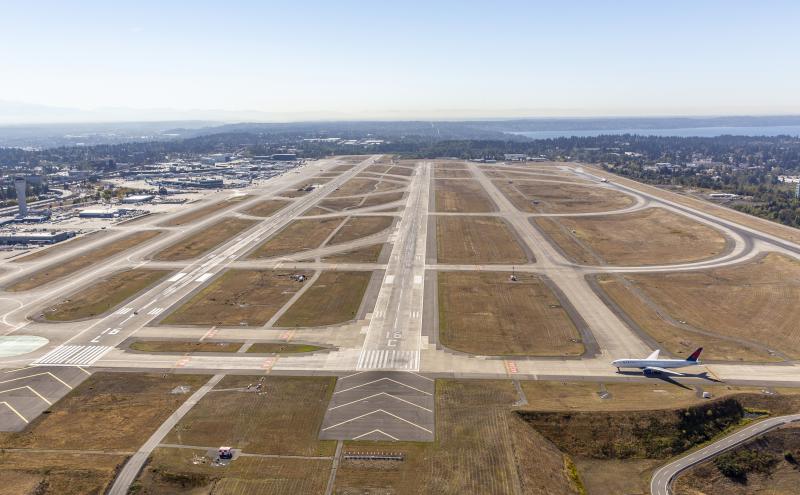
Because of these factors, it can take longer than expected as the air traffic control tower (runway and air space) and ramp tower (terminal area) essentially play a complex game of Tetris with planes on the ground. They’re very skilled and need to evaluate near-constant motion as they make decisions. During peak periods there can be lots of traffic as planes push back from gates into taxi lanes (slowing other push backs), cross active runways going to and from the terminal, and taxi to the opposite side of the airport after landing. These moves are all made to keep travelers and employees safe and get them where they need to go as efficiently as possible.
4. Fair weather conditions prevail
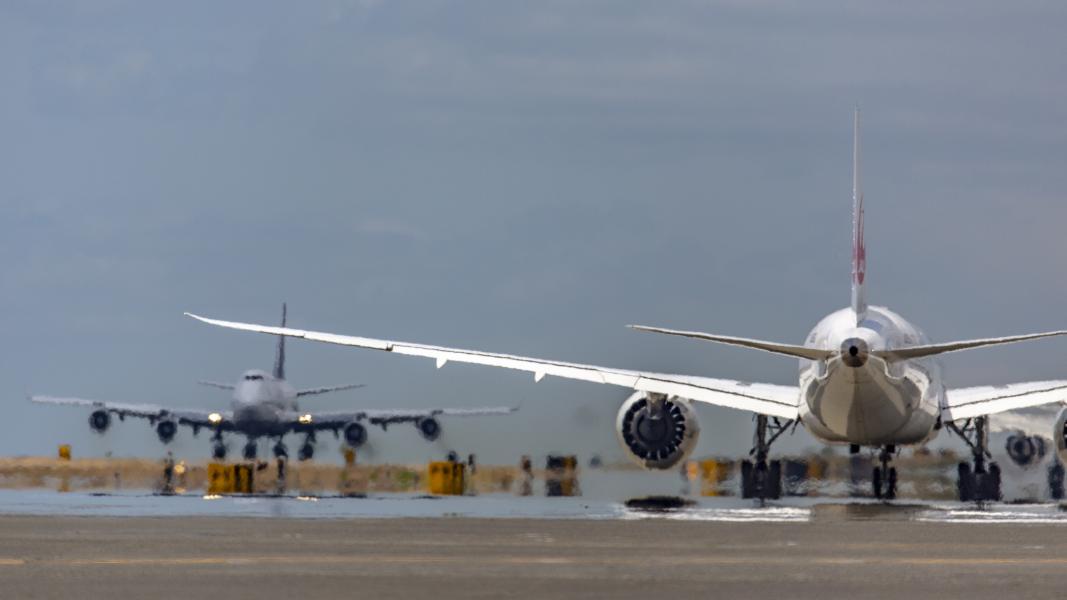
Did you know that Seattle’s cloudy weather can actually make airport traffic more efficient? You may notice that sometimes you land from the north over Seattle and sometimes from the south over Tacoma. This depends upon local wind conditions. And in bad weather, SEA and King County International Airport just north of us must alternate landings and takeoffs. Also, when planes are landing in a south flow over Seattle (during low visibility), it generally speeds ground movement as the departure taxi lane on the north side of the airport is longer and farther from the active traffic area near the terminal.
We know that you’re ready to be off the plane and relaxing at your final destination. So, rest assured that the airport and our airline partners are doing everything we can to speed along your journey. It’s also why we’ve started ground boarding to reduce wait times on the ground and are modernizing SEA to improve your airport experience and meet current and forecast traveler demand.
Learn how SEA is working to elevate your experience from curb to gate with Upgrade SEA