April 24, 2026
Meet George
Some people clock in and clock out. Others leave footprints, and sometimes they leave them quite literally in the mud, the marsh, and the heart of a place.
For more than 40 years at the Port of Seattle, George Blomberg did far more than show up. He became something rare: a steady, quiet force behind the Port’s habitat restoration efforts, and a true champion for the natural world woven into our working waterfront. Part scientist, part storyteller, and part unofficial port historian, George helped reimagine Port facilities as living habitats, evocative of ecosystems of the past in the Duwamish River and Elliott Bay. His vision helped transform shorelines into living systems, places where salmon return, birds gather, and communities reconnect with the water.
When the Port talks about habitat restoration, it’s not just about projects or permits. It’s about transforming industrial sites into functioning habitat, and George is a big reason the Port has been able to promote these ideas. Early in his career, he helped pioneer techniques along the Duwamish River that simply weren’t implemented previously. Today, those same approaches are used across the Salish Sea by ports, cities, and counties working to balance industry with the needs of fish and wildlife. But numbers and methods only tell part of the story.
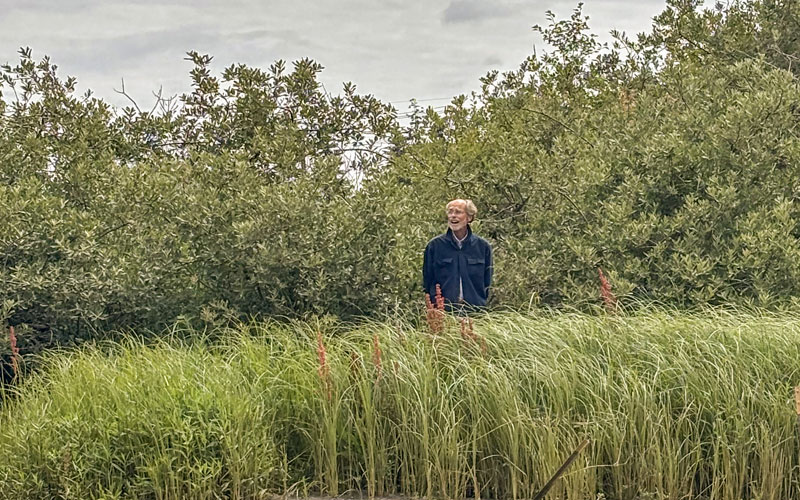
George has mentored hundreds, possibly thousands, of young people, bringing students and community members to the water’s edge and inviting them to see it differently — through his eyes. To many, he became the face of the Port: a caring, soft-spoken presence people would instinctively lean in to hear. In a student survey, one response captured it simply: “I love George.”
And if you spent enough time around the Port’s headquarters at Pier 69, you might wonder if he ever left. As one colleague joked, “I think at some point in my head, I believed (George) lived in an apartment at Pier 69. It seemed like every time I was down there, there he was.”
This is the story of the places he helped bring back to life and the lasting impact of a career spent not just working on the shoreline, but for it.
“As the Port improves our infrastructure, we leave every site in better shape than we found it. This includes jobs, environment and community." — George Blomberg
Watch a tribute to George:
Why habitat restoration?
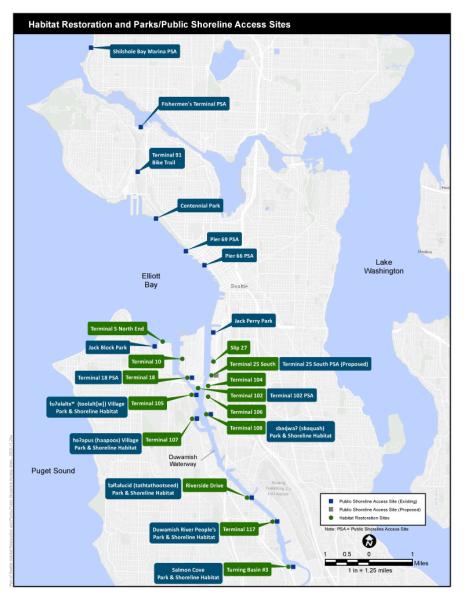
Download the habitat restoration and parks/public shoreline access sites map
The Port of Seattle is one of the largest public landowners on the Seattle waterfront. With that comes responsibility. The Port's Century Agenda, a long-range strategic plan, set a clear goal in 2011 to restore, create, and enhance 40 additional acres of habitat in the Green/Duwamish Watershed and Elliott Bay.
That goal isn't just a number on a spreadsheet. It reflects the Port's commitment to being the greenest and most energy-efficient port in North America, and to being a responsible steward of the public resources and the public shorelines that generations of Seattleites depend on.
Healthy habitat leads to healthier Southern Resident orca populations, cleaner water, and communities with genuine access to the natural environment. The work also supports recovery goals for species protected under the Endangered Species Act. Since 2005, the Port has implemented a growing suite of projects that improve the ecological processes and functions that fish and wildlife need to thrive.
George has been at the center of much of that work.
“(George) is most comfortable when he's half submerged in a wetland, working with and teaching young people together in mud-covered boots, laughing, and learning.” — Jon Sloan
Duwamish River People's Park and Shoreline Habitat
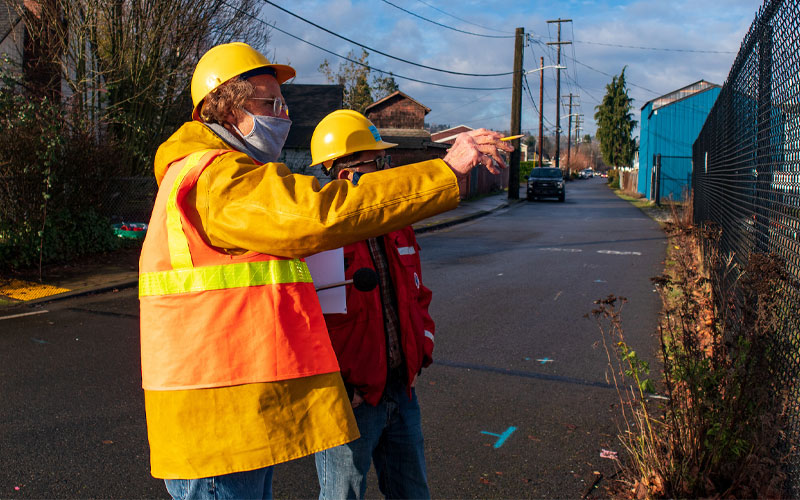
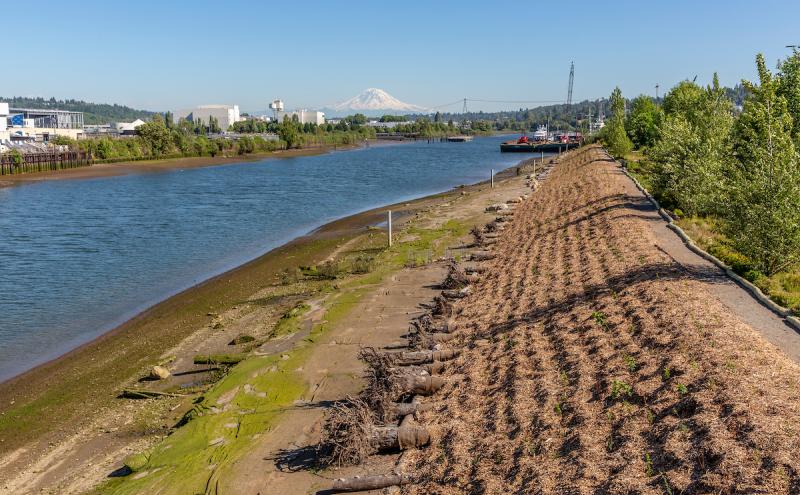
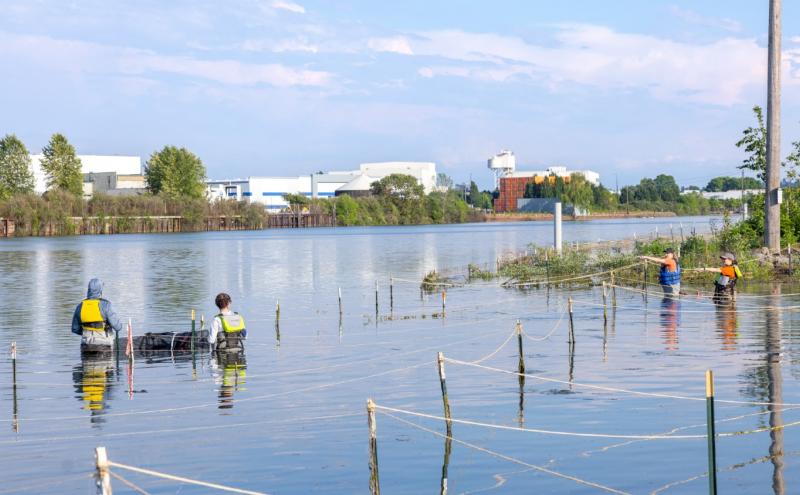
One project that defines George's legacy is the Duwamish River People’s Park and Shoreline Habitat. After nearly 20 years of environmental cleanup and deep community engagement, the Port broke ground on the largest habitat restoration project on the Duwamish River in a generation. George championed the design from the beginning and served as the 24/7, hands-on field director throughout construction. (Friends will tell you he barely slept. They might be right.) The result is something remarkable: 14 acres of critical fish and wildlife habitat combined with meaningful public shoreline access for the community.
The park is designed with Chinook salmon in mind. More healthy salmon means more food for Southern Resident orcas, helping to support the long-term survival of a population that has been in serious decline.
The Duwamish River People’s Park and Shoreline Habitat stands as a testament to George Blomberg’s innovative approach to habitat restoration. A key feature of the project is the integration of salvaged materials, a practice George spearheaded to reduce the project’s carbon footprint.
By repurposing former cruise gangways and marine piles, the Port created a functional overlook platform with sweeping views of estuarine marsh and the Duwamish River, and accessible pathways for the park’s watercraft launch. George’s vision also extended to the river’s ecology; he recognized that floating logs, often viewed as navigation hazards, could be salvaged as large woody material. When anchored into the shoreline, these logs stabilize the banks and provide essential refuge for young salmon. This strategy effectively turns industrial waste into ecological assets, proving that sustainable design can be both inventive and efficient.
The site also serves as the Port’s first Natural Resource Damage Assessment (NRDA) credit bank under Superfund — allowing third parties to purchase credits that offset damages elsewhere. (The revenue goes into the Port’s general fund.)
hǝɁapus Village Park
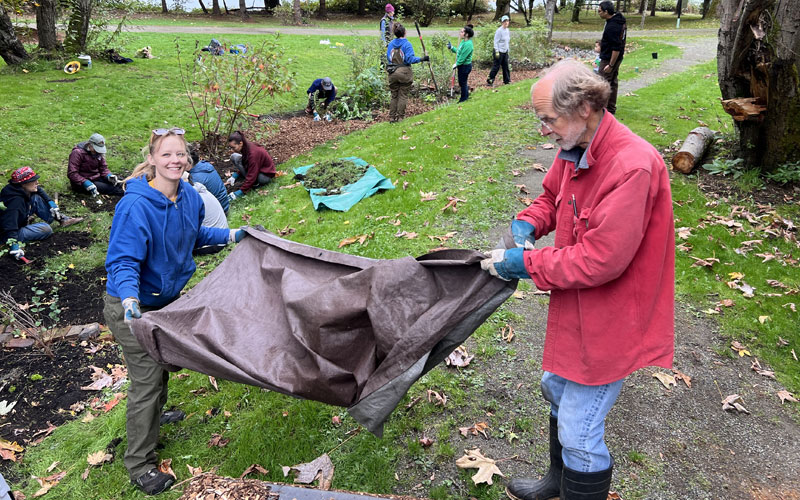
Not every great habitat story starts with a formal project plan. Sometimes it starts with one person showing up and doing the work.
hǝɁapus Village Park (formerly T-107 Park) honors the indigenous heritage of the site and the Lushootseed place name for a small stream draining across a flat on the west side of Duwamish River. George helped turn the site into a community-accessible park and worked to establish community connections to the water's edge.
Then he kept going. On his own initiative, George began transplanting marsh plants from existing "donor" sites to establish an estuarine marsh at hǝɁapus. This kind of volunteer ecological work, carefully transplanting native plants to help establish a new habitat site, is painstaking, unglamorous, and exactly the kind of thing George would do without being asked (or telling anyone he was doing it).
He has served as the park's unofficial caretaker ever since. If you visit hǝɁapus today, you're walking through something George built with his own hands.
Floating Wetlands
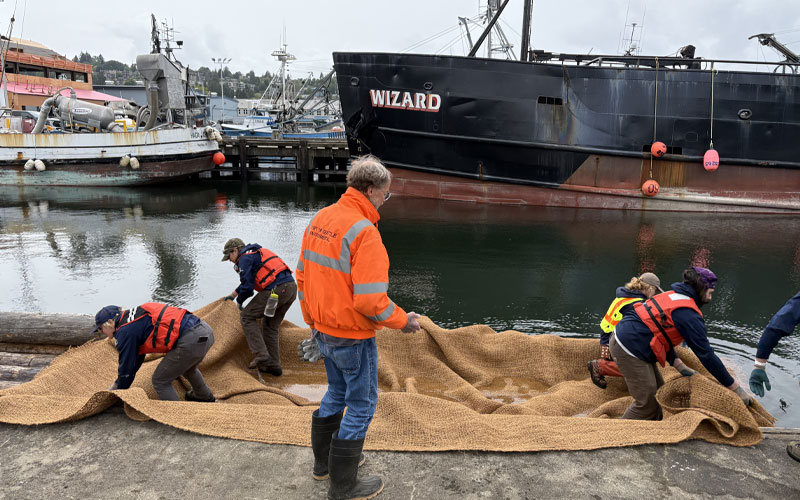
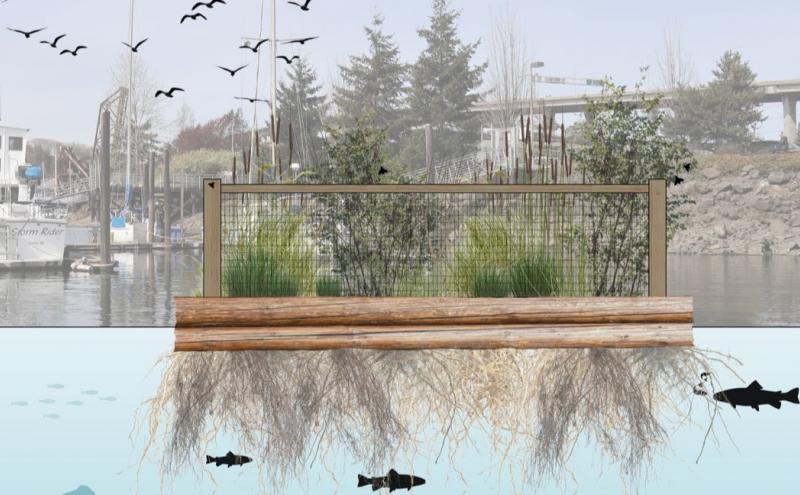
One of the quieter but cleverer projects in the Port's habitat toolkit is its Floating Wetlands program — aquatic habitat structures installed where traditional restoration isn’t possible.
George designed the Port's floating wetlands with a characteristically resourceful approach: use repurposed materials rather than new ones. Why source something new when something existing can be given a second life doing ecological good? The result is habitat that is both functional and a small testament to George's philosophy that conservation and creativity go hand in hand.
Purple martins: A story of gourds and pilings
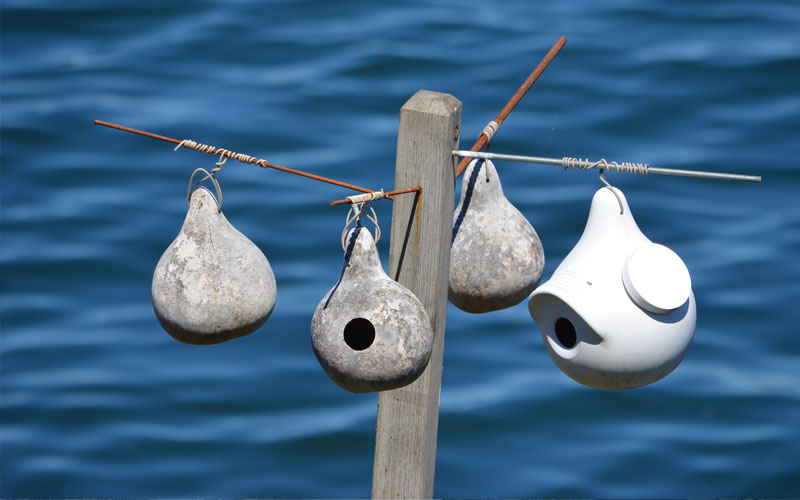
Purple martins, the elegant, acrobatic, and largest swallows in North America, are a species of concern in Washington State. Unlike much of the country, where they nest in large communal houses, Pacific Coast purple martins nest individually in specialized gourds hung on pilings over the water. It's an unusual arrangement, and it's entirely dependent on human stewardship to survive.
In 1988, Seattle had just one known nesting pair. A dedicated group of purple martin advocates sought to change that, and George wanted to help make that a reality. In the late 1990s, George helped install several nesting gourds on pilings at Kellogg Island and t̓uʔəlaltxʷ (formerly T-105 Park) to re-establish nesting pairs in the Seattle area. By 2005, there were 45 pairs nesting in Seattle, most in Ballard and the lower Duwamish River area. George was instrumental in their recovery by making Port property available for nesting.
The Port still maintains nesting gourd installations along the waterfront, providing the kind of overwater, predator-resistant nesting habitat the birds need.
Osprey nest boxes
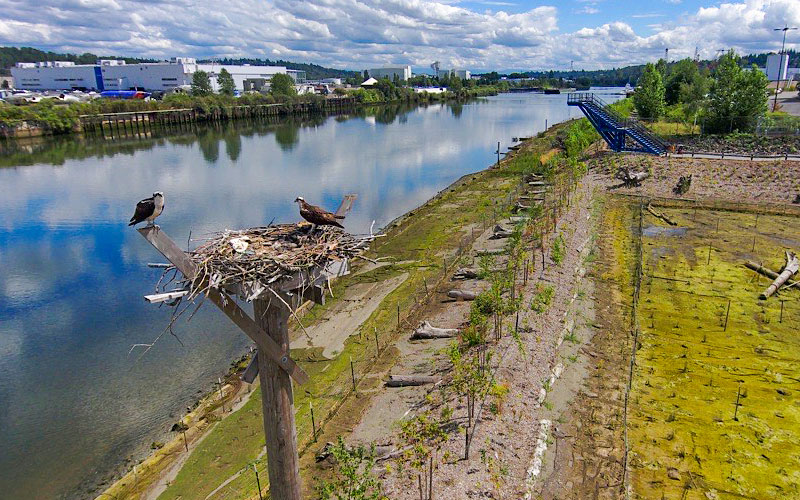
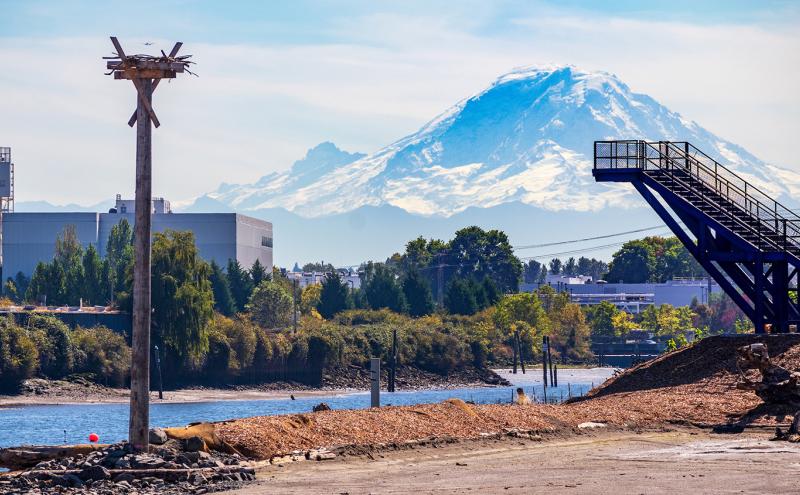
Osprey are a Port wildlife success story. These dramatic fish-hunting raptors with their distinctive crooked wingbeat and spectacular dives, have benefited from nest platform programs that George advocated for and helped manage, that provide safe, elevated nests in areas where natural nesting opportunities are limited.
If you visit at the right time of year, you might spot a pair of osprey raising chicks, or on occasion, a pair of Canada geese who moved in before the osprey returned from their winter vacation and claimed the nest the platform for themselves.
"The opening of the Duwamish River People's Park was incredible. And even more incredible, just three years after that, the salmon returned. There were osprey and the blue heron that returned as well." — Commissioner Toshiko Hasegawa
Where we go from here
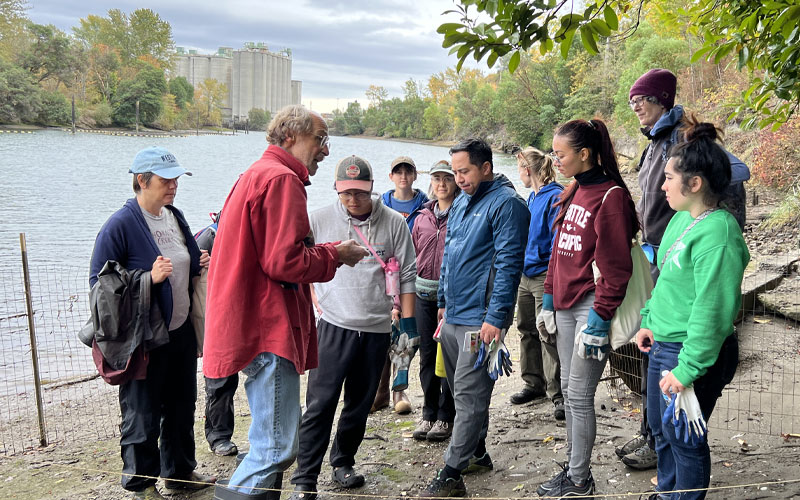
The 14 acres of Duwamish River People's Park and Shoreline Habitat represent real, meaningful progress toward the Port's Century Agenda goal of restoring 40 additional acres of habitat. That's 14 acres of functioning shoreline, marsh, and riparian habitat where industrial fill once stood.
The Port continues working toward the remaining 26 acres, with 10 additional acres currently in planning and permitting. Future opportunities across Elliott Bay and the Green Duwamish Watershed will rely on nature-based solutions inspired by lessons from the sites George helped shape.
George spent more than 40 years building something that will outlast all of us. The parks, the marsh plants, the floating wetlands, the osprey platforms, the gourd colonies are all still here, growing, hosting wildlife, welcoming communities. That's what it looks like when someone is truly outstanding in their field.
"My good luck is extraordinary — to join an organization like this, to have the privilege to work with folks like you... to be able to join this organization and clap onto that line and pull in the same direction." — George Blomberg
Subscribe to Evergreen for environmental updates from the Port and SEA Airport