April 8, 2026
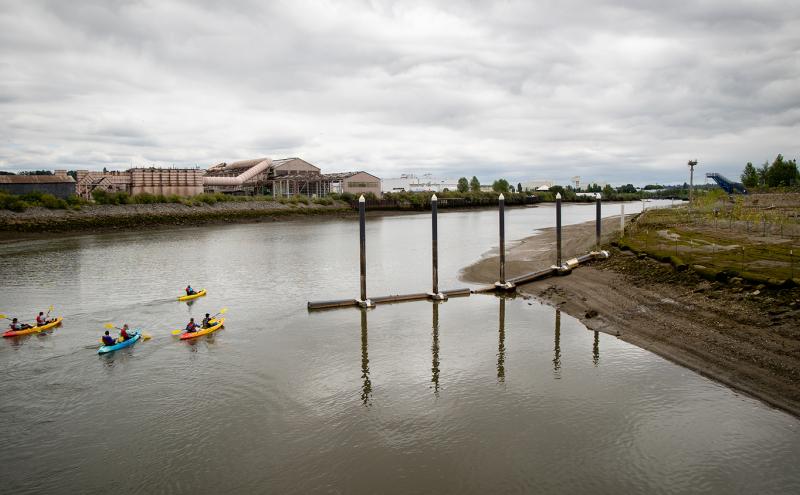
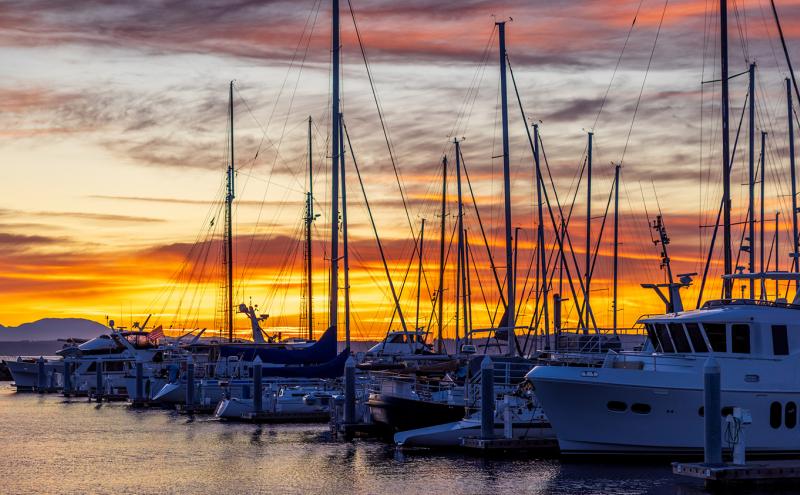
Living in the Pacific Northwest is a boater’s dream — from Puget Sound to its many lakes and rivers, there are plenty of opportunities to get out on the water. With that opportunity comes a shared responsibility to protect the waterways and wildlife we depend on.
At the Port of Seattle, we work every day toward our goal of becoming the greenest seaport in North America. But lasting environmental progress takes all of us. On Earth Day and every day, it’s everyone’s responsibility to protect our environment.
The theme of Earth Day 2026 is “Our Power. Our Planet.” Environmental progress isn’t driven by a single administration or election. It’s sustained by daily actions of communities, educators, workers, and families protecting where they live and work.
In the spirit of that theme, here are some simple things you can do on the water to protect the environment, wildlife, and local community who live, work, and play in and around these waters.
Use green resources at Port facilities
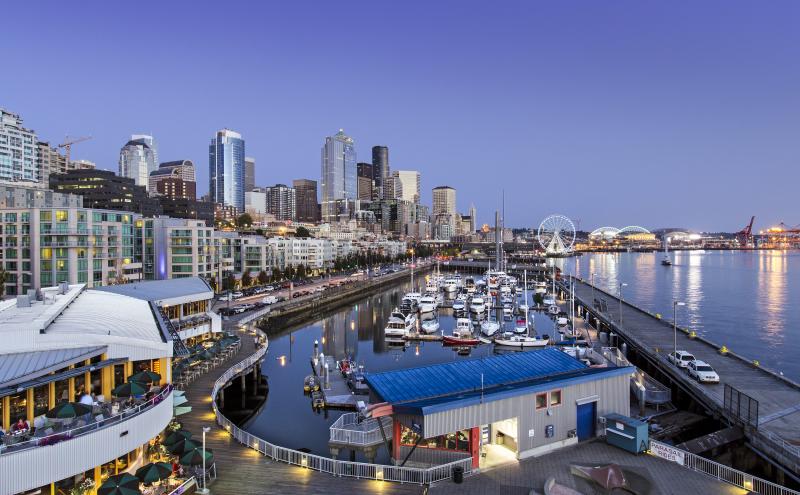
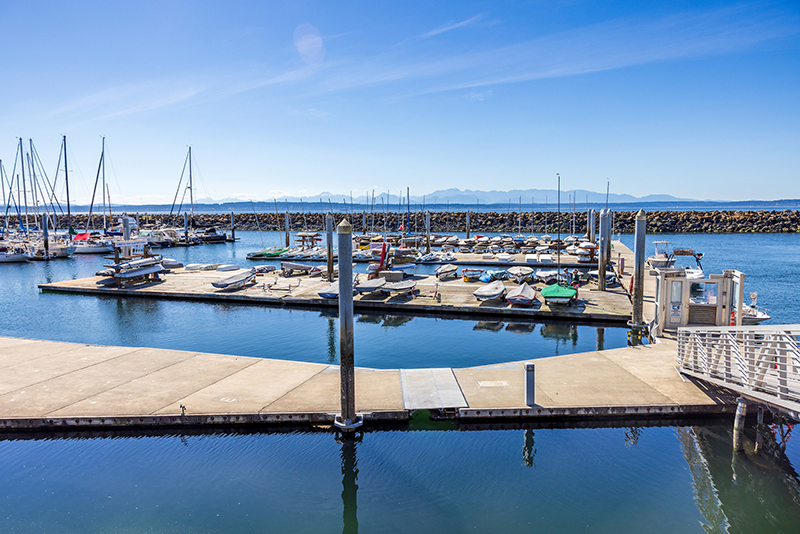
Marina and boating activities can introduce pollutants such as oil, metals, and bacteria into local waters and can cause environmental damage including shoreline erosion. The Port supports sustainability on the water at its three recreational boating marinas by participating in the Clean Marina Initiative which encourages marina operators and boaters to follow sound environmental practices. At Shilshole Bay Marina, boaters can access biodiesel and use a free wastewater pump-out service — simple actions that prevent pollution at the source.
Learn how to access these services
Keep your distance
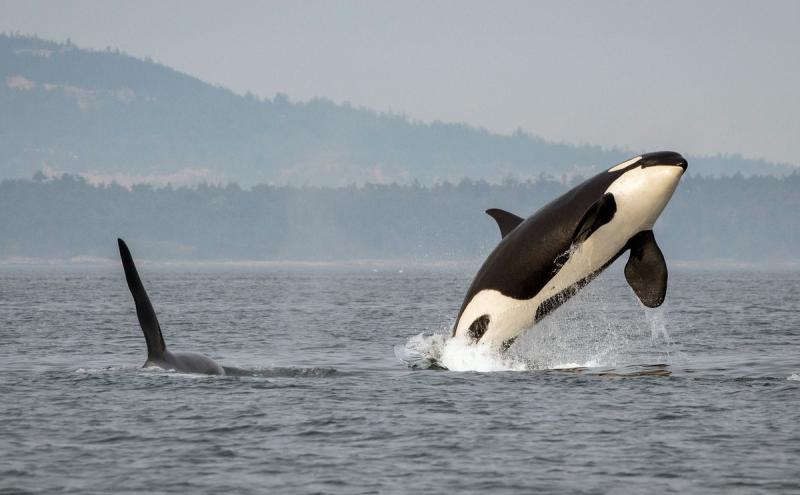
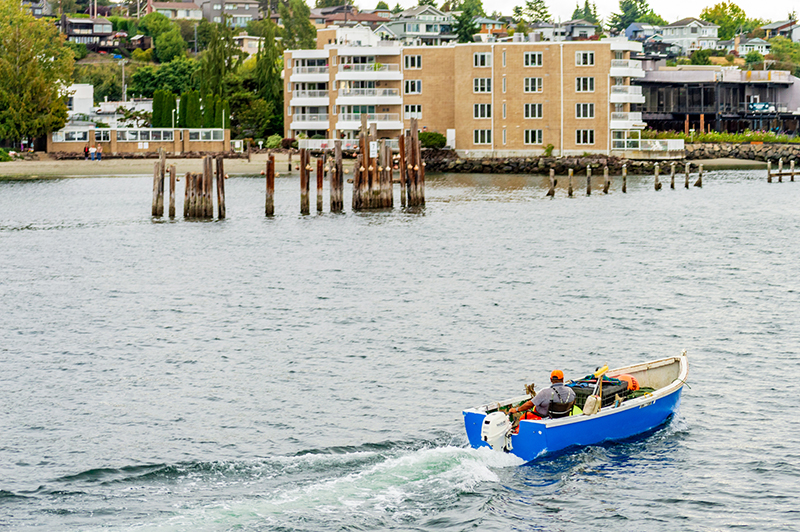
While you are out on the water, respect boating guidelines to protect orcas. Stay at least 1,000 yards from the Southern Resident killer whales and try to move out of their path at a low speed.
And you can help protect whales from vessel collisions by sharing any sightings via the Orca Network. Information is shared with professional mariners via text alert if they are within 10 nautical miles of a verified whale sighting.
How can you help protect orcas?
Slow down
Underwater noise impacts orcas’ ability to hunt, communicate, navigate, and avoid danger. That noise in Puget Sound can come from a variety of sources, including (but not limited to) recreational boats, commercial vessels, construction activities, and ferries. The Port of Seattle has partnered with the Port of Tacoma, the Northwest Seaport Alliance (NWSA), and other agencies, tribes, and organizations to develop the Quiet Sound program to reduce impacts to orcas from large commercial vessels.
As a boater, slowing down is one of the simplest ways to reduce underwater noise. Even if you don’t see wildlife nearby, reducing speed makes your boat quieter — helping orcas communicate, navigate, and hunt.
And, just like driving, cruising at a slower speed can help conserve fuel and save you money. Consider a regular engine tune up to ensure your motor is running efficiently, as it can burn up to 30% less fuel, reducing emissions and costs.
If you have a boat and want to learn how it affects the underwater soundscape, join the Sonic Signature Study, hosted by the Port on August 12 at Shilshole Bay Marina. During the event, participants will motor past a hydrophone (an underwater recording device) and receive real-time noise data from their boat. Visit the underwater noise webpage and check back for resources, event details, and registration information.
Protect against invasive species
Aquatic invasive species often attach themselves to boats, trailers, and gear, where they can spread quickly between water bodies. Invasive species are a major threat to native ecosystems. According to the National Wildlife Federation, 42% of threatened or endangered species are at risk because of them.
Here are a couple tips to reduce the spread:
- After boating, drain all water from your engine and stern while the boat is on dry land. Let your boat air dry for several days before launching in a different body of water
- Check the underside of your boat and remove any mud, plants, or debris that may have attached during your trip
Fuel up responsibly
When refueling your boat, make sure to avoid spills or leaks.
- Fill the tank slowly
- Avoid overfilling
- Keep an absorbent pad nearby to catch any accidental drips
- Dispose of used pads properly
If you notice a fuel spill or leak in the water, report it to the National Response Center hotline at 1-800-424-8802. Whenever possible, refuel on land rather than on the water. Even small amounts of oil or gasoline can harm microscopic organisms in the water — organisms that support the entire aquatic food web. By fueling carefully, you help protect the health of local waterways and the wildlife that depend on them.
Stay educated!
To quiet our shared waterways and protect sensitive species, the Port stays up to date with current science and educates tenants, customers, and the public, to lessen the effects on some of our region’s most beloved species. Port staff helps educate boaters on everything from alternative fuels to underwater noise, to environmentally friendly waste disposal.
Want to stay informed? Subscribe to Evergreen for ongoing updates about environmental programs at the Port of Seattle and SEA Airport.