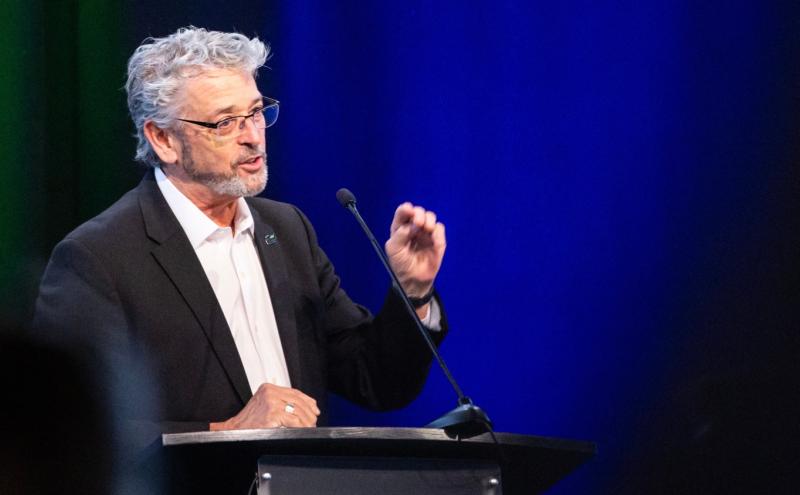
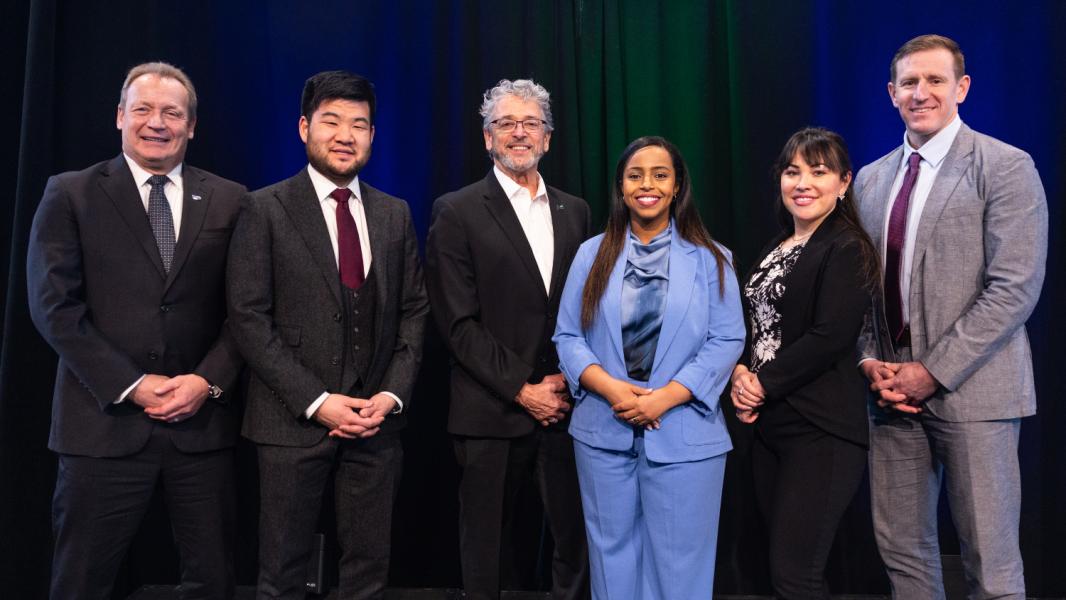
On March 12, I joined the Port of Seattle’s executive director Steve Metruck and my colleagues on the Commission for my tenth annual State of the Port address. I spoke about how I believe working to cure the affliction of “maritime blindness” is an essential component of being a “port for the future.” The reality is, as Seattle’s population has grown, many Seattleites no longer feel a connection with our city’s maritime heritage. As a result, they are unaware of the quality jobs in the maritime industry, or the importance of protecting the Port’s industrial lands that support these careers.
We are working to enable commerce and community to coexist on the waterfront, by making major investments in our marine terminals, as well as parks and bike lanes, shore power projects, and initiatives to develop sustainable aviation and maritime fuels — to name a few.
These investments are good for the city’s residents and businesses and will ultimately be competitive advantages that are needed to ensure Seattle remains a true port city for generations to come.
You can read my full speech here:
The deep, sheltered waters of Puget Sound have drawn people to these shores since time immemorial. These natural harbors have also enabled the Port to be an engine for the region’s economy since its founding in 1911.
While our baseball team is called the Mariners, the influx of new residents and new jobs has led to an increasing prevalence of “maritime blindness.” Increasingly, the public doesn’t see and can’t recognize the Port’s importance to our region’s economy and the job opportunities we help create.
Back when Mike Lowry ran for governor in the early 1990s, he popularized the saying “You don’t have to choose between jobs and the environment.”
I took that to heart. And as a commissioner over the past decade, I’ve embraced the challenge, along with the entire Port Commission.
The number of green jobs is growing. And we are making progress toward minimizing Port-related impacts to the environment and surrounding communities.
These parallel goals are essential if we are to retain the social license necessary to operate the Port within an encroaching city. This is a clear case where jobs and the environment are more than compatible – they’re synergistic.
Even making small adjustments to the rudder on a large ship can result in big changes in direction. The Port remains focused on our primary mission as a job creator. I feel confident we’re currently on the right course. But, as Bob Dylan said, “the winds of changes shift.” That’s certainly proved to be true during my tenure here at the Port.
Despite black swan events, such a COVID and cyberattacks — along with wars on trade, wars on culture, and now real wars — we’ve remained focused on our mission to create shared prosperity across a broad range of jobs while being good stewards of our environment. This has required strong leadership by the Commission and the executive over the years.
Let’s give a big hand to our executive director, retired Coast Guard Vice Admiral Steve Metruck. Steve’s been a steady hand at the helm the past eight years despite rough seas.
With that, let’s get to three examples of our recent work:
It’s hard to miss how Seattle’s waterfront has been beautifully transformed in recent years. Early on, the Port invested over $300 million to replace the viaduct with a tunnel.
Working alongside our partners, we’ve improved access to our parks and bike trails, and funded habitat restoration and maritime interpretation signage. We sponsored a Port-related exhibit in the Seattle Aquarium’s Ocean Pavilion. And we’re funding Friends of the Waterfront to bring attention to our facilities, just in time for the World Cup.
This past cruise season, all three of our terminals were equipped with electric shore power — enabling ships to turn off their engines at berth. As of 2027 all cruise ships will be required to plug in. And the Northwest Seaport Alliance is well on its way to installing shore power on its four major container terminals.
We’re fostering the transition to cleaner marine and aviation fuels. While the Port doesn’t direct the type of fuel ships use, we know the majority of the new builds over the next decade will be able to run on liquified natural gas (LNG), which is basically very cold methane.
We’re addressing this reality by developing policies to reduce the cost and increase the availability of sustainable marine fuels, including methane generated from renewable waste products such as landfills, farms, and treatment plants. This is similar to the work we already do to help foster the development of sustainable aviation fuel at our airport.
All of these efforts reflect our shared conviction that advancing the cause of sustainability makes our Port more competitive, and makes the great Pacific Northwest an even greater place to live and work.
Thank you for being here and thank you for your partnership.
Subscribe to receive email updates from Commissioner Felleman