Budget priorities for 2026
Following a turbulent year, full of highs and lows, the Port of Seattle’s 2026 budget is keeping us on the right trajectory. The highs included the grand opening of the newly renovated working waterfront, our big win to protect maritime industrial lands in Seattle, new bike lanes at Pier 66 and Terminal 91, and three days that broke records for overall daily number of passengers at SEA Airport. The lows included the Trump administration‘s tariff-induced impacts on maritime trade, tensions with Canada reducing tourism revenues for our communities, and an all-out attack on foundational environmental laws. The Northwest Seaport Alliance’s weekly basis tracking of tariff-induced impacts for the last several months are clearly negative with void sailings up 15% compared to 2024 and our import volumes down more than 20% compared to 2024.
That said, we still expect to break more records next year, with a projected 54 million passengers estimated to fly through SEA and more than two million cruise passengers. From the waterfront to the airport, we’ll continue to prioritize creating good paying jobs through sustainable economic growth while working to minimize collateral impacts.
Among the work we’re facilitating with this budget, I’m particularly pleased that we’re continuing to invest in the next generation of maritime workers, with funding for “Blue Schools,” Core Plus maritime curriculum, and pre-apprenticeship programs for construction trades. The silver tsunami of retirements in the maritime field is gathering pace, and we’re working to ensure Seattle’s working waterfront continues to thrive for generations to come. That starts with elevating public awareness of maritime-related career opportunities through educational interpretive signage associated with the redevelopment of the waterfront and in the aquarium’s new Ocean Pavilion as well as in the classroom. These investments are designed to help inspire students and their parents to consider careers in the maritime industry, which is central to the Port’s mission.
I’ve also continued to advocate for funding for responsible tourism in King County and beyond. One of Washington’s most visited tourist hot spots, including for our cruise passengers, is the Snoqualmie Falls. That’s why we convened a group of people interested in protecting this incredibly special place last year. Together with members of the SnoValley Chamber, members of the Snoqualmie Tribe, and others, we mapped out potential strategies to ensure visitors care for the environment and appreciate the history of the falls and the entire Snoqualmie Valley. This year, I’m looking forward to building on that work, with additional support for interpretive signage.
I also spearheaded the installation of an interpretive kiosk at Shilshole Marina to educate boaters about protocols to avoid impacting the recovery of our endangered population of Southern Resident orcas and how they provide whale-sighting networks with information that can aid in their protection. As a former professional photographer and killer whale biologist, I know firsthand how incredibly lucky we are to have them here in our backyard and retain a sense of responsibility to do what I can to preserve their coexistence.
Advancing clean fuels: The potential of Renewable Natural Gas
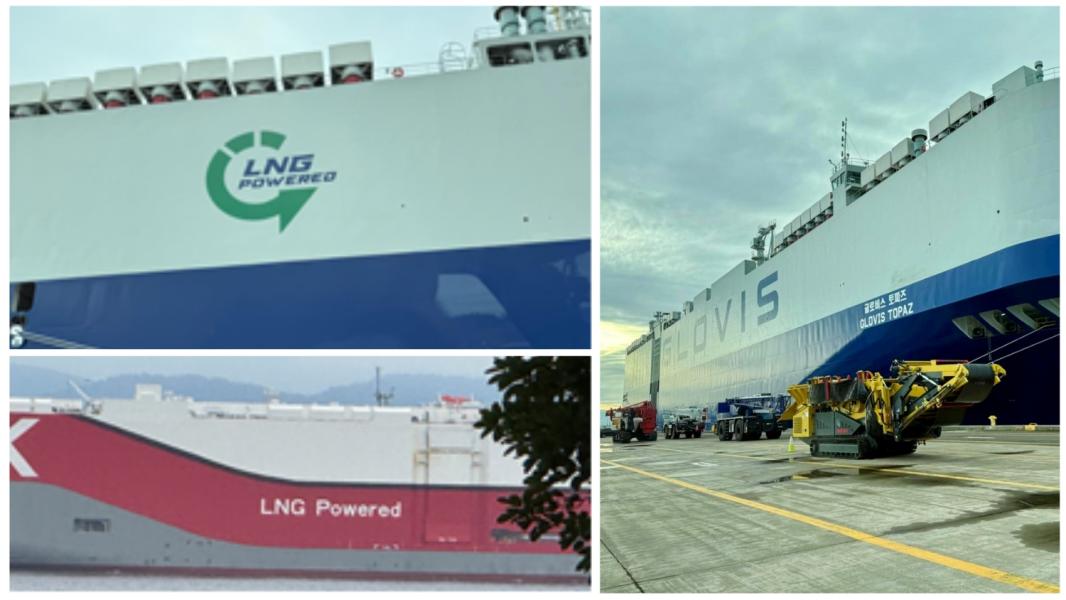
In recent weeks, the Commission Office has received hundreds of letters from community members expressing concerns about the climate impacts associated with the growing use of liquefied natural gas (LNG) as a marine fuel by ships being deployed globally and already calling on our gateway. The Port shares those concerns, which is why we continue to push for the development and deployment of sustainable alternatives, including Renewable Natural Gas (RNG), which can both lower near-port communities’ exposure to harmful pollution and reduce the impact on the climate.
You can read the letter in full here.
AAPA’s Annual Convention in Québec City
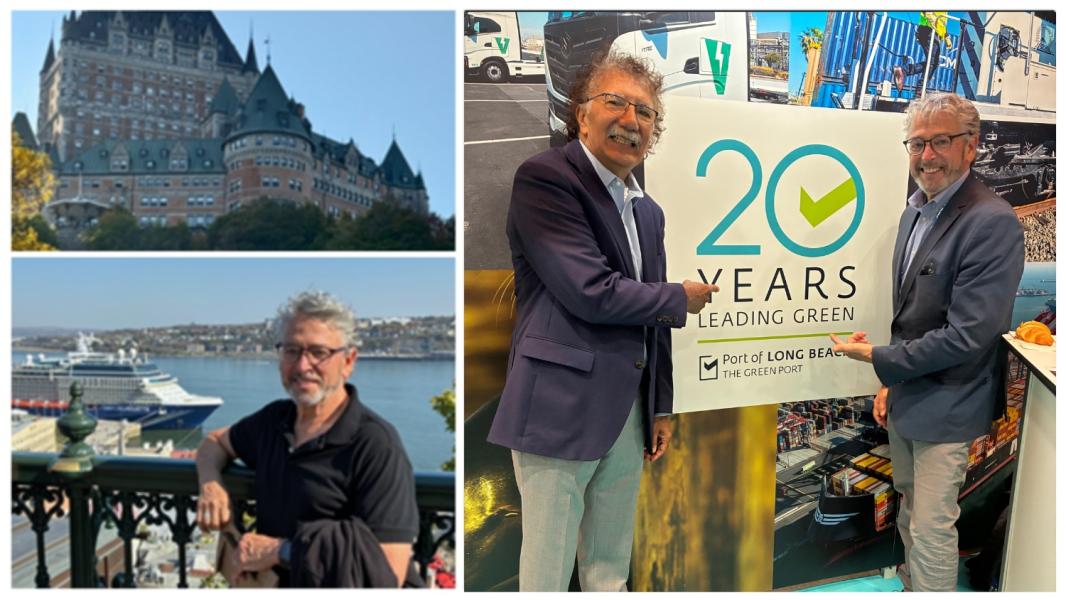
Earlier this fall, I had the honor of representing the Port of Seattle at the annual convention of the American Association of Port Authorities (AAPA) in Québec City. This gathering brought together maritime leaders from across North America. Together, we had the chance to exchange ideas on strengthening the maritime industry while protecting our communities and environment.
Discussions focused on a range of issues, including supply chain resiliency, sustainability, and modernizing port infrastructure. It was enlightening to learn how ports are addressing these challenges and made me proud of the progress we continue to make at home — from expanding shore power to electrifying cargo-handling equipment and supporting innovation in alternative fuels.
Most importantly, attending this convention ensured that the voices and values of the Port of Seattle — especially our commitment to environmental stewardship and community partnership — were front and center. Whether we’re addressing climate challenges or strengthening economic opportunities, our participation in these forums reinforces the Port of Seattle’s leadership and dedication to advancing maritime innovation, workforce development, international trade, and sustainable tourism practices.
I was also glad to be at the event to celebrate Mario Cordero’s retirement. As the CEO of the Port of Long Beach for the last eight years, Mario led the organization through a period of tremendous growth while advancing environmental initiatives. His own journey, as a first-generation American and as an activist and educator, is incredibly inspiring. As a port executive and member of the Clinton administration, he helped advance America’s role both in international commerce and sustainability. It was an honor and a pleasure to meet him.
Talking responsible tourism in Spokane
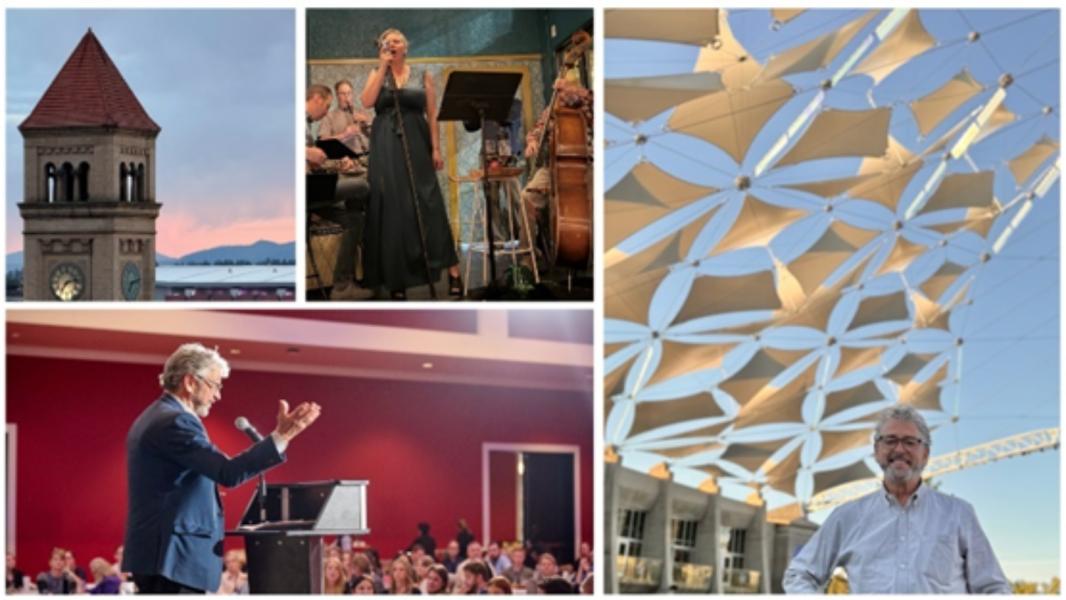
It’s gratifying to see how Washington’s priorities have grown to include responsible tourism in recent years, thanks in part to leadership I brought on the subject to the Port of Seattle. In October, just after leaving Québec, I had the opportunity to speak to the Port’s commitment to responsible tourism at the state’s tourism conference in Spokane. While I celebrated our work in SnoValley and our “Stay Another Day” program for cruise ship passengers, I also pointed to the work I’d like to accomplish in the coming year — the “Three-Nation Vacation” associated with visitors arriving from around the world to attend the World Cup tournaments in Seattle and Vancouver, B.C.
The Three-Nation Vacation would be a collaboration across Washington state, British Columbia, and Tribal and First Nations. The concept builds on the government of Canada’s Juan de Fuca Crossing initiative, which affords a great opportunity to encourage travel between Victoria, B.C. and Port Angeles on the Black Ball ferry. This would provide a diversity of experiences for the traveler, increase prosperity across the border, and help repair some of the strains between our countries associated with the Trump administration’s rhetoric assaulting the sovereignty of Canada.
As a demonstration, I’m planning to take the Three-Nation Vacation journey by bus, train, and ferry. I will start from SEA Airport, take the light rail to within walking distance of Coleman Dock, ferry to Bainbridge Island, catch the Clallam transit bus to Port Angeles, and then ferry to Victoria. Along the way I intend to visit Olympic National Park, Tribal and Frist Nation communities, and the culturally rich capital of B.C., all without renting a car. After all, one of the most important ways to practice responsible tourism is to travel by public transit.
I’ll also meet with public officials, Tribal leaders, and tourism industry entrepreneurs to learn more about how we can advance efforts to welcome visitors while protecting the places we love here in the Northwest. The trip, of course, will be the subject of a future Field Notes newsletter.
The tourism conference in Spokane ended on a high note, pun intended. On my last evening in the city, I enjoyed one of the best live jazz concerts I’ve seen recently. It was a great reminder that you don’t have to travel far from home to experience cultural richness. And after a few days in Canada, it was a great example of one of the art forms forged right here in America.
Preserving North SeaTac Park
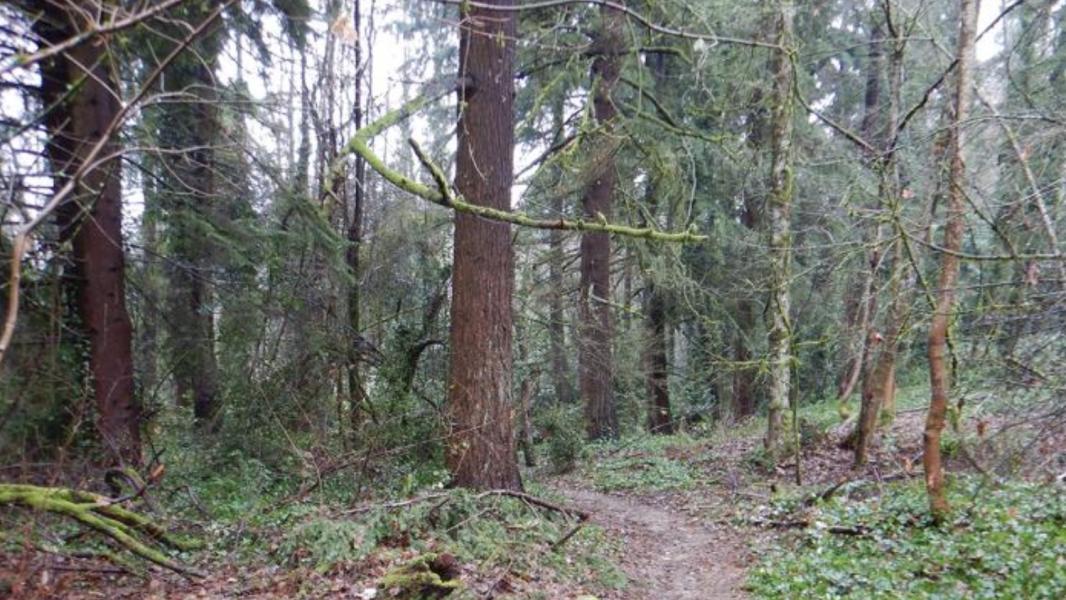
Protecting North SeaTac Park has been one of my top priorities in recent years, and I’m pleased to share that we have reached a major milestone.
In October 2024, I championed an official order — passed by the Commission unanimously — that directed the Executive Director to identify options for permanently protecting 55 acres of the park from development. Through the Joint Advisory Council (JAC), I worked with members of the SeaTac City Council toward that goal.
Earlier this year, the Executive Director adopted the JAC's recommendation to support the City of SeaTac’s application for a King County Conservation Futures (KCCF) grant. The grant would enable SeaTac to purchase the Park with permanent development restrictions in place — ensuring that the park remains open for recreation, not development.
North SeaTac Park is one of the most ecologically important areas in south King County. It includes forests, wetlands, gardens, play areas, and community spaces that provide essential environmental and recreational benefits. After hearing the concerns of local residents and assessing disparities in tree canopy cover and access to open space, it became clear that permanent protection was the right thing to do. I’m grateful to the many residents and advocates who have engaged with the Port of Seattle and the City of SeaTac regarding the park. Their advocacy helped us advance this effort.
The work is not yet complete. The Port and the City are now coordinating appraisals, documentation to support the grant, and negotiating on long-term protection mechanisms to ensure the park remains undeveloped and open to the public in perpetuity.
While the ultimate decision as to whether to sell the Park or to preserve it in another manner remains at the discretion of the Port Commission, our actions on the Commission signify a strong, shared commitment to protect North SeaTac Park for the communities of south King County.
It is efforts such as this that have the potential for improving the quality of life of King County residents. That continues to be a source of motivation for my public service on the Commission.
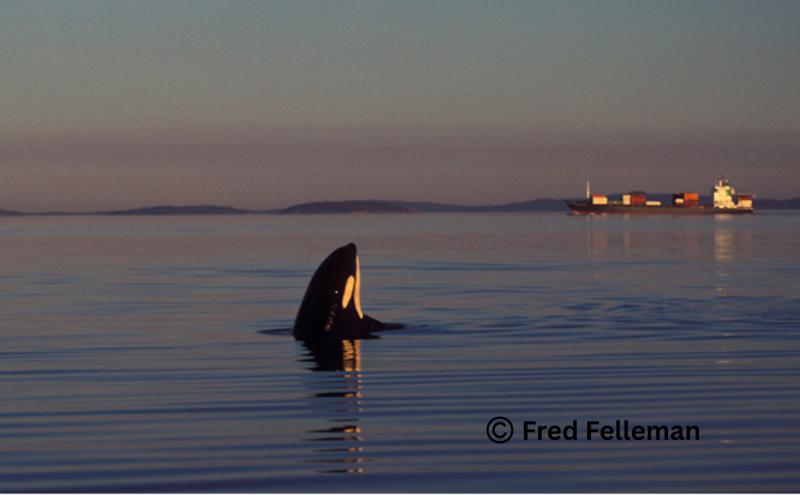
Photo at top: Seattle's working waterfront balances commerce, community, and killer whales, our iconic symbol of the great Northwest.
Subscribe to receive email updates from Commissioner Felleman