
Explore More in All of the Port

Tourism Marketing Support Program
Driving Responsible Tourism and Economic Growth TogetherIn alignment with the Port of Seattle's Century Agenda to "Advance this region as a leading tourism destination and business gateway," the Tourism Development team works to g...
Tourism Marketing Support Program
Driving Responsible Tourism and Economic Growth TogetherIn alignment with the Port of Seattle's Century Agenda to "Advance this region as a leading tourism destination and business gateway," the Tourism Development team works to g...
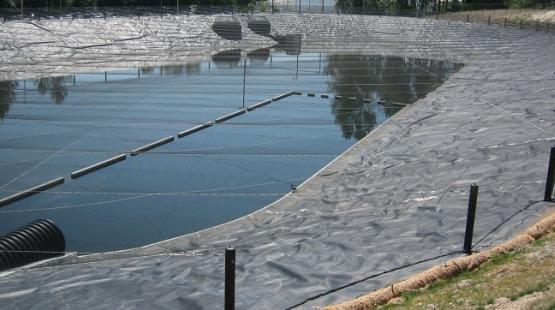
Airport IWTP Effluent Discharge Rate
SEA's Industrial Wastewater Treatment Plant (IWTP) manages and treats stormwater associated with industrial activities from aircraft fueling and maintenance operations as well as wastewater from other airport-related operations su...
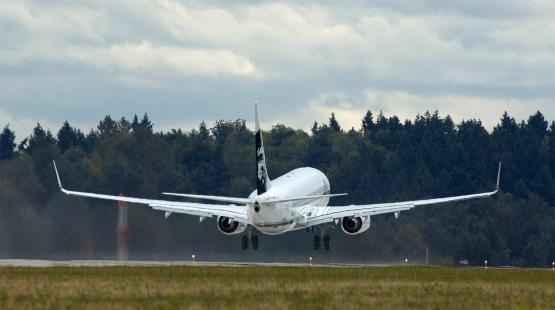
Flight Corridor Management Program
The Port of Seattle maintains clear and safe flight corridors for aircraft takeoffs and landings. This ongoing program identifies and removes obstructions, like trees, in accordance with FAA regulations. The Port is committed to p...
Flight Corridor Management Program
The Port of Seattle maintains clear and safe flight corridors for aircraft takeoffs and landings. This ongoing program identifies and removes obstructions, like trees, in accordance with FAA regulations. The Port is committed to p...
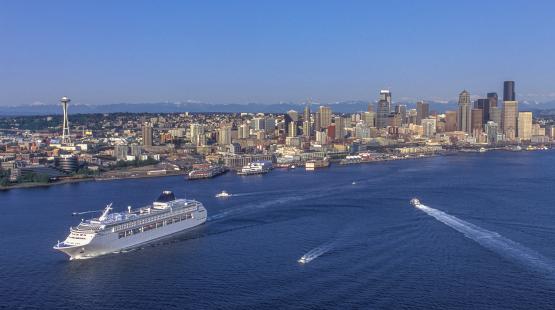
Puget Sound Maritime Air Emissions Inventory
As hubs of transportation activity, ports move people and goods using vehicles, vessels, equipment, buildings, and facilities that are mostly powered by fossil fuels. These energy-intensive operations contribute to air pollutant a...
Puget Sound Maritime Air Emissions Inventory
As hubs of transportation activity, ports move people and goods using vehicles, vessels, equipment, buildings, and facilities that are mostly powered by fossil fuels. These energy-intensive operations contribute to air pollutant a...
Puget Sound Maritime Air Emissions Inventory
As hubs of transportation activity, ports move people and goods using vehicles, vessels, equipment, buildings, and facilities that are mostly powered by fossil fuels. These energy-intensive operations contribute to air pollutant a...
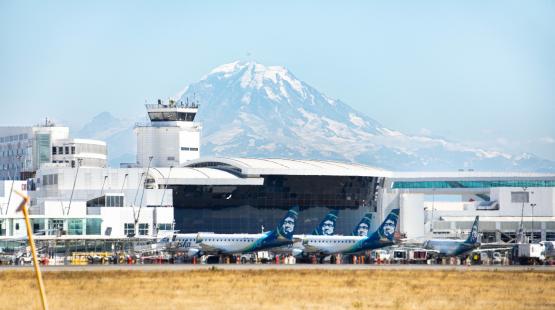
Hazardous Materials Management
The Port of Seattle's Hazardous Waste Program ensures proper management of hazardous waste streams through educational and technical assistance efforts that emphasize compliance, waste minimization, and recycling.What is Hazardous...

Post Secondary Program
Why intern with the Port?Few organizations, public or private, can offer college interns the experience the Port of Seattle provides:Behind-the-scenes looks at airport and maritime operations that move millions of passengers and b...