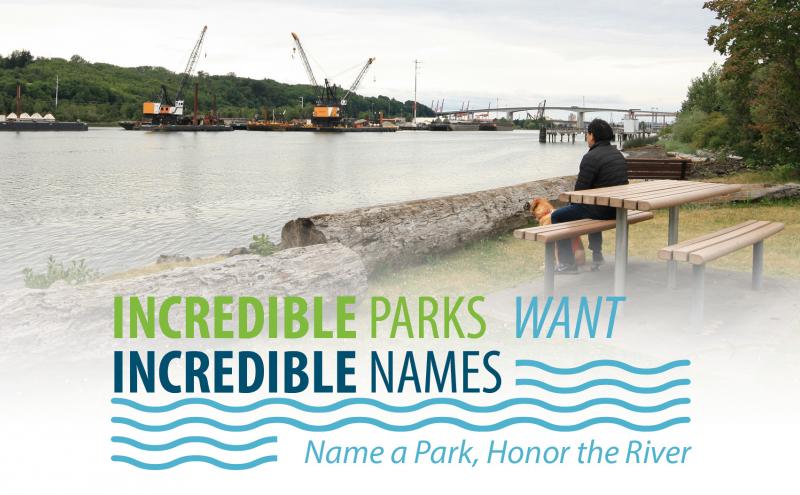
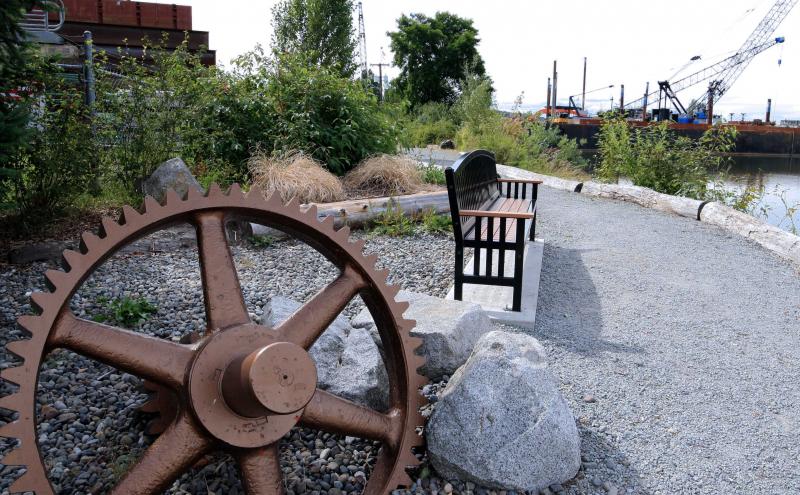
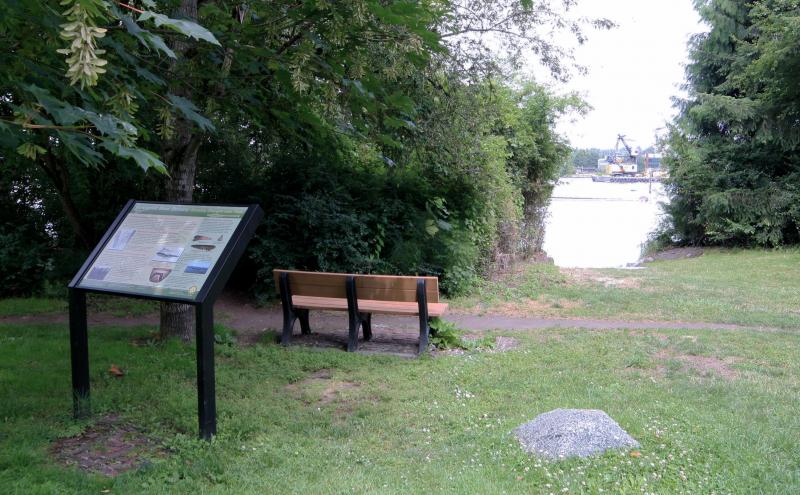
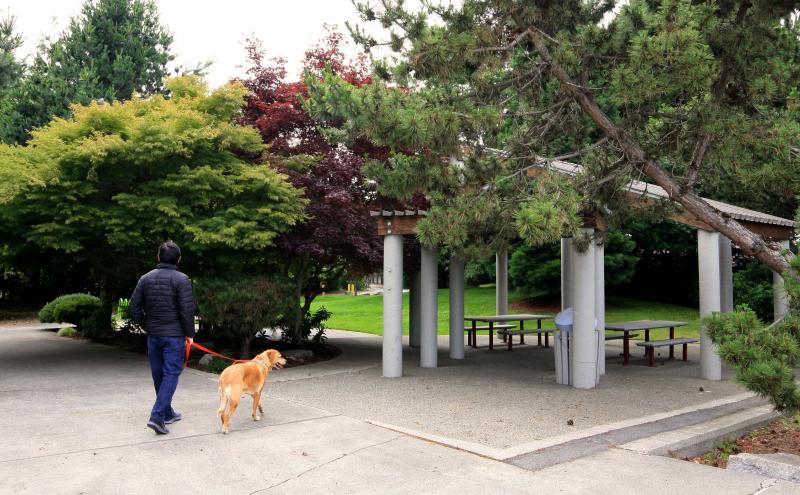
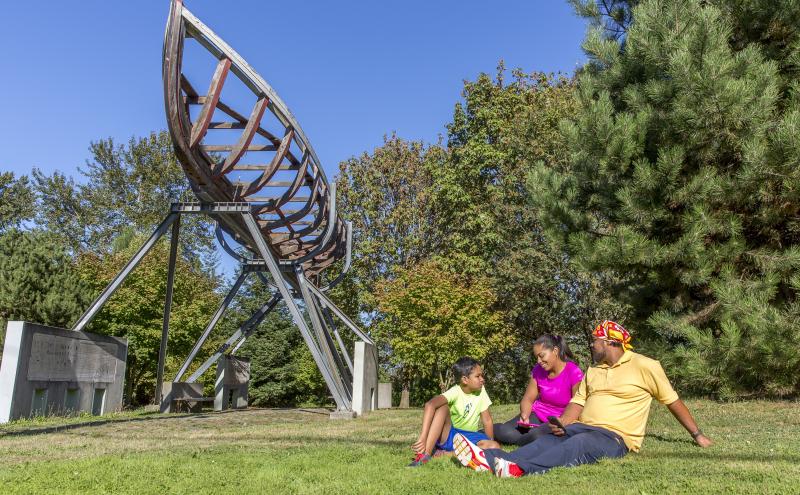
The six parks, among the last remaining public access sites along the Duwamish River, are currently named after geographic markers or previous industrial purposes.
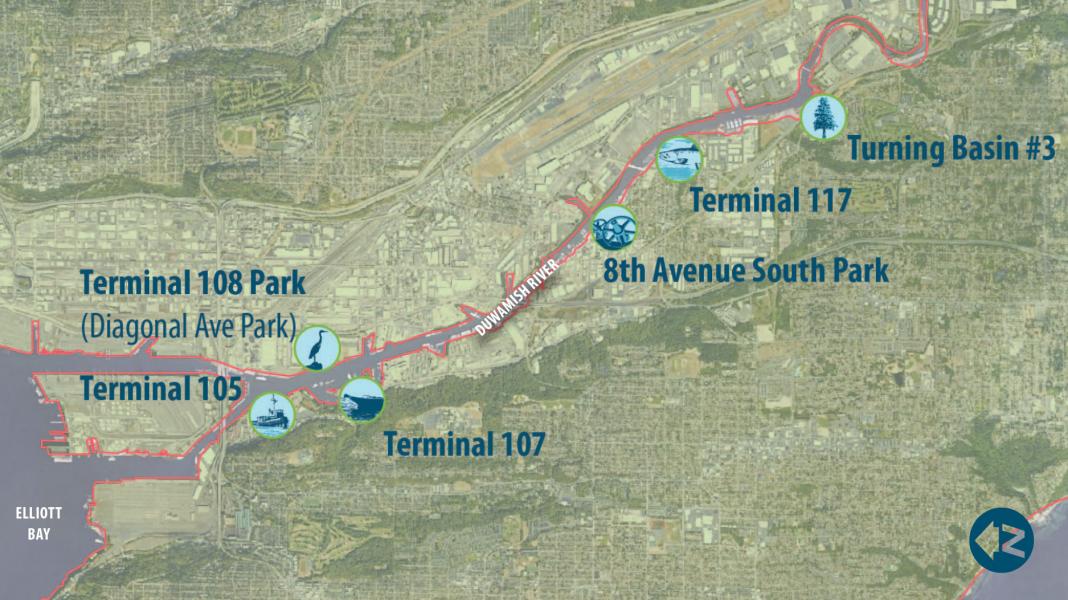
Incredible Parks Want Incredible Names
The 'Incredible Parks Want Incredible Names' nomination period ended on August 31, 2020 and the scoring period ended on September 30, 2020. The new park names were announced on October 27, 2020.
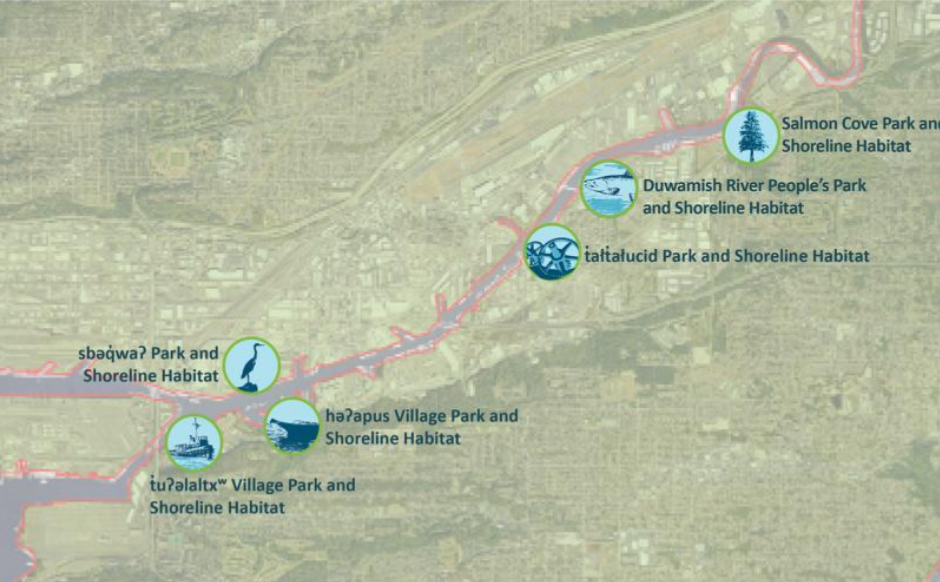
Names are the result of a broad community outreach effort, four are in Lushootseed
October 27, 2020
The Port of Seattle Commission voted to adopt new, community-sourced names for six Port-owned parks and shoreline habitat areas along the Duwamish River. The names reflect the cultural, historical and environmental significance of each site. The action followed months of community engagement in areas surrounding the parks. The 'Incredible Parks Want Incredible Names' project was designed in partnership with the Seattle Parks Foundation, a public greenspace non-profit, to ensure community involvement and transparency.
"The Port of Seattle greatly appreciates the communities and organizations that helped us find the best names for these community treasures along the Duwamish River with a sense of place, that recall cultural histories." said Port of Seattle Commission President Peter Steinbrueck. "The community engagement process for the parks naming campaign has been extraordinary and inclusive, and we're grateful for the effort all community participants put into it."
"As a member of the project's Review Committee, I greatly appreciate the Port of Seattle and the Seattle Parks Foundation for their thoughtful and collaborative efforts to listen and gather input from so many voices," said Sharon Leishman of the Duwamish Alive Coalition. "We understand the importance of these sites that we have been honored to help steward for so many years, not only because of their environmental significance but also for our communities. These new names add a cultural and historical value that make the parks that much more precious for all of us."
"The Seattle Parks Foundation thanks the Port of Seattle, the project's Review Committee members, and everyone who participated in this effort," said George Lee of the Seattle Parks Foundation. "With the Reality of COVID 19, we had to change our practices to be even more accessible. Our outreach included partnerships with local non-profits and community networks, language translation of outreach materials, and we considered digital literacy - making the process available for multigenerational audiences too."
The new named adopted today by Port Commissioners are:
t̓uʔəlaltxʷ Village Park and Shoreline Habitat (Toolalt, “t-oo-ah-lal-too-wx”: Herring’s House / A description of where herring live and spawn / Name of an old village site on the west bank of the Duwamish River). Former Terminal 105 Park. Listen to how it sounds! t̓uʔəlaltxʷ Village Park and Shoreline Habitat
həʔapus Village Park and Shoreline Habitat (haapoos, “ha-ah-poos”: Name of a small stream draining across a flat on the west side of Duwamish River). Former Terminal 107 Park. Listen to how it sounds! həʔapus Village Park and Shoreline Habitat
sbəq̓waʔ Park and Shoreline Habitat (sbaqwah, “s-bah-qwah”: Great Blue Heron). Former Terminal 108 Park/Diagonal Public Access Site. Listen to how it sounds! sbəq̓waʔ Park and Shoreline Habitat
Duwamish River People’s Park and Shoreline Habitat. Former Terminal 117 Public Access and Shoreline Habitat. Listen to how it sounds! Duwamish River People’s Park and Shoreline Habitat
Salmon Cove Park and Shoreline Habitat. Former Turning Basin #3. Listen to how it sounds! Salmon Cove Park
t̓ałt̓ałucid Park and Shoreline Habitat (tathtathootseed, “t-ahth-t-ahth-oots-eed”: Where there is something overhead, across the path / A description of logs or branches located above a path or trail). Former 8th Ave South Street End. Listen to how it sounds! t̓ałt̓ałucid Park and Shoreline Habitat
Throughout the process, over 4,000 public comments were received recommending that the new names include indigenous place names and Lushootseed words for local wildlife and natural features. Over twelve thousand individuals engaged with the program’s educational website that provided videos and information about each park’s history, archival photos of the old river shoreline, environmental conservation uses, and stories from nearby community members and park users.
To commemorate the new names, the Port has released The Power of Our Stories, a video art piece featuring storytellers from the Suquamish, Duwamish, and Muckleshoot tribal communities. The video shares Coast Salish stories that convey the importance of community, culture, the environment, and the Duwamish River: values that are evident in the new park names selected through this process.
Check out our video below to learn more about the complex histories of these six community gems and what makes them a treasured part of our region's history and future.