What you should do:
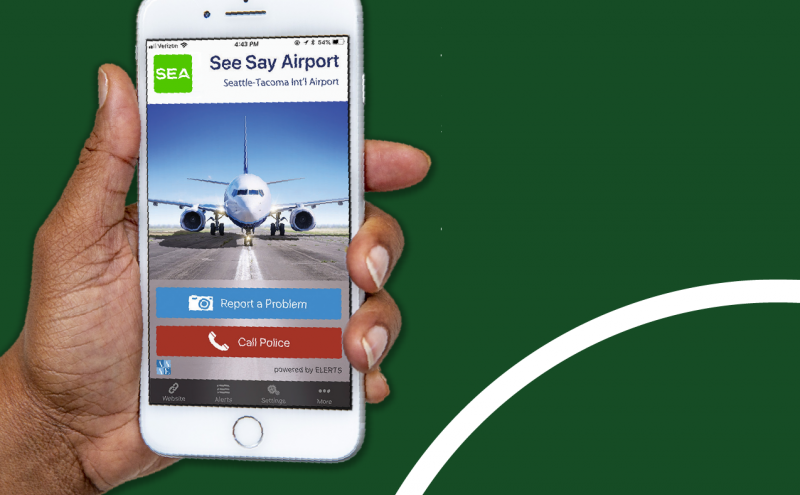
If you're traveling through the airport and you see something suspicious, here are three things you can do:
- Call 911
- Tell an airport staff about the situation you’ve noticed
- Call the National Human Trafficking Hotline for help at 1-888-373-7888
Remember, it's better to report a false alarm than miss a real opportunity to help someone. Read more to learn the signs.
National Human Trafficking Hotline
1-888-373-7888
The National Human Trafficking Hotline is a national, anti-trafficking hotline and resource center serving victims and survivors of human trafficking. The toll-free hotline is available 24 hours a day, 7 days a week, 365 days a year.
The National Runaway Safeline
1-800-RUNAWAY (1-800-786-2989)
The National Runaway Safeline is a national communication system for homeless and runaway youth. Find crisis intervention, local resources, and education services for youth, families, and community members online or through the hotline 24 hours a day, 7 days a week, 365 days a year.
National Center for Missing & Exploited Children (NCMEC)
1-800-THE-LOST (1-800-843-5678)
NCMEC’s mission is to find missing children, stop child sexual exploitation and prevent child victimization. Use the online or phone tipline to report child exploitation 24 hours a day, 7 days a week.
Report and get resources for human trafficking
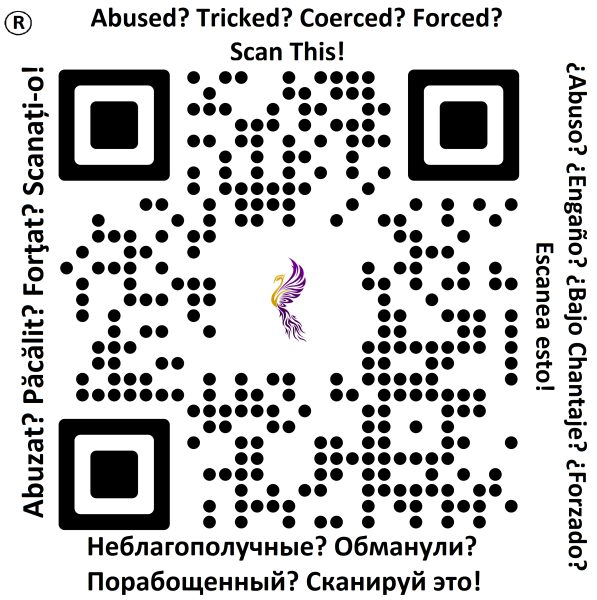 Report Human Trafficking for yourself or others at SEA Airport
 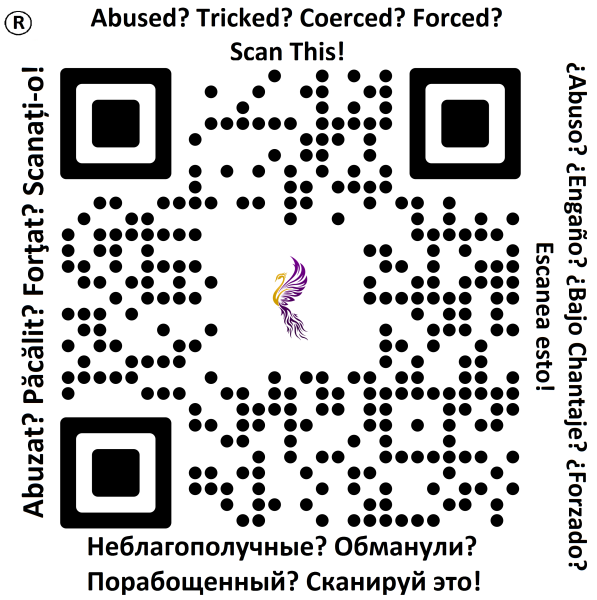 Report Human Trafficking of yourself or others at a Seaport location
 Twenty Four Seven reporting is made by survivors for survivors. Learn more about human trafficking laws, contact local authorities and national hotlines all in one place with multiple languages available.
Who is most likely to be the victim of human trafficking?
In the United States, younger people, especially women are trafficked at higher rates. These individuals tend to be from minority communities such as the Native American tribes, people with disabilities, undocumented migrants, and from the LGBTQIA+ community.
Research shows that 38% of trafficking victims say they have traveled by plane during their exploitation, while 63% mentioned using mass transit. 26% reported that public and mass transportation was a key factor in their efforts to escape.
Human trafficking signs
Traffickers may:
- Be significantly older than their companion(s)
- Be vague about his/her profession
- Act jealous, controlling, or violent
- Seem very touchy, not letting the victim out of their sight or arms
- Promise things that seem too good to be true
- Promise that what they’re doing is a good idea and for the better
- Buy expensive gifts or have expensive items
- Make the victim feel responsible for his/her financial stability
- Talk openly about financial matters
- Encourage inappropriate sexual behavior
- Be pushy or demanding about sex
Individuals being trafficked may:
- Suddenly be with an older partner or new friends with a different lifestyle
- Have signs of physical abuse like burn marks, bruises, or cuts
- Act withdrawn, depressed, distracted, or checked out
- Dress less appropriately or be in new expensive clothes, shoes, or accessories
- Have a new tattoo:
- Tattoos are often used as a way to brand victims. Look for tattoos of a barcode, name, or symbol of money. These tattoo designs could indicate trafficking.
- Brag about making or having lots of money
- Exhibit sexualized behavior